

Key Takeaways
General Anesthesia in Pets
General anesthesia is a medically controlled state of unconsciousness that allows veterinarians to perform surgical or diagnostic procedures on an animal without causing pain or distress. The pet is unable to move, feel pain, or be aware of what is happening during the procedure. It is achieved using a combination of injectable and inhaled drugs carefully selected for each patient.
Veterinary anesthesia protocols typically involve a pre-anesthetic sedative, an induction agent to achieve unconsciousness, and a maintenance gas (most commonly isoflurane or sevoflurane) delivered through an endotracheal tube to sustain the anesthetic state.
Why Anesthesia Is Used in Veterinary Medicine
General anesthesia makes it possible for veterinary teams to safely perform procedures that would be impossible in a conscious, moving, or stressed animal. Common situations include spay and neuter surgeries — you can learn more about those decisions in our article on the medical case for spaying and neutering — as well as dental extractions, fracture repair, internal imaging, and biopsy procedures.
Without anesthesia, even a minor surgical procedure would cause severe pain and fear, and any involuntary movement could injure both the animal and the team. The controlled unconsciousness anesthesia provides is not simply a convenience — it is a core safety measure.
Understanding what anesthesia involves, why certain precautions exist, and what to expect afterward can help owners feel more prepared and better equipped to support their pet before and after a procedure.
How Vets Assess Anesthetic Risk
Before any anesthetic procedure, a veterinarian will conduct a pre-anesthetic evaluation. This typically includes a physical examination, a review of the pet's medical history, and blood and urine tests to assess organ function. The goal is to identify any conditions — such as kidney disease, heart abnormalities, or clotting disorders — that could affect how the animal handles anesthetic drugs.
1 in 100,000
Estimated anesthetic death rate in healthy pets
Research published in veterinary anesthesia literature suggests anesthetic-related mortality is rare in healthy dogs and cats, though it rises in animals with significant pre-existing disease.
~3x
Higher risk in sick vs. healthy patients
Studies in veterinary anesthesia consistently find that compromised health status — not anesthesia itself — is the primary driver of elevated risk during procedures.
Vets use a system similar to the American Society of Anesthesiologists (ASA) classification, adapted for veterinary patients, to categorize risk from Class I (healthy, no systemic disease) through Class V (critical condition). This helps the team select appropriate drug protocols and prepare contingency plans.
Certain breeds are known to have elevated sensitivity to specific anesthetic agents. Brachycephalic breeds (flat-faced dogs and cats like Bulldogs, Pugs, and Persians) have airway anatomy that adds complexity to anesthesia management. Sighthounds such as Greyhounds metabolize some drugs more slowly. If your pet falls into one of these categories, ask your vet how their protocol accounts for those differences.
For senior pets, pre-anesthetic bloodwork is particularly important. Our article on how health needs shift as animals age covers how veterinary care typically adapts for older animals.
Mixed-Breed and Unknown History Pets
Pets adopted from shelters or with limited health histories may have underlying conditions that haven't been formally diagnosed. Pre-anesthetic screening is especially valuable for these animals, as it provides the clearest available picture of organ function and overall health before proceeding with any procedure.
What Happens During the Procedure
A standard veterinary anesthetic event moves through several phases. Pre-medication (a sedative or pain reliever given before the main drugs) reduces anxiety, lowers the dose of other agents needed, and often provides early pain control. An induction agent then brings the animal to unconsciousness, after which an endotracheal tube is placed to secure the airway and deliver anesthetic gas mixed with oxygen.
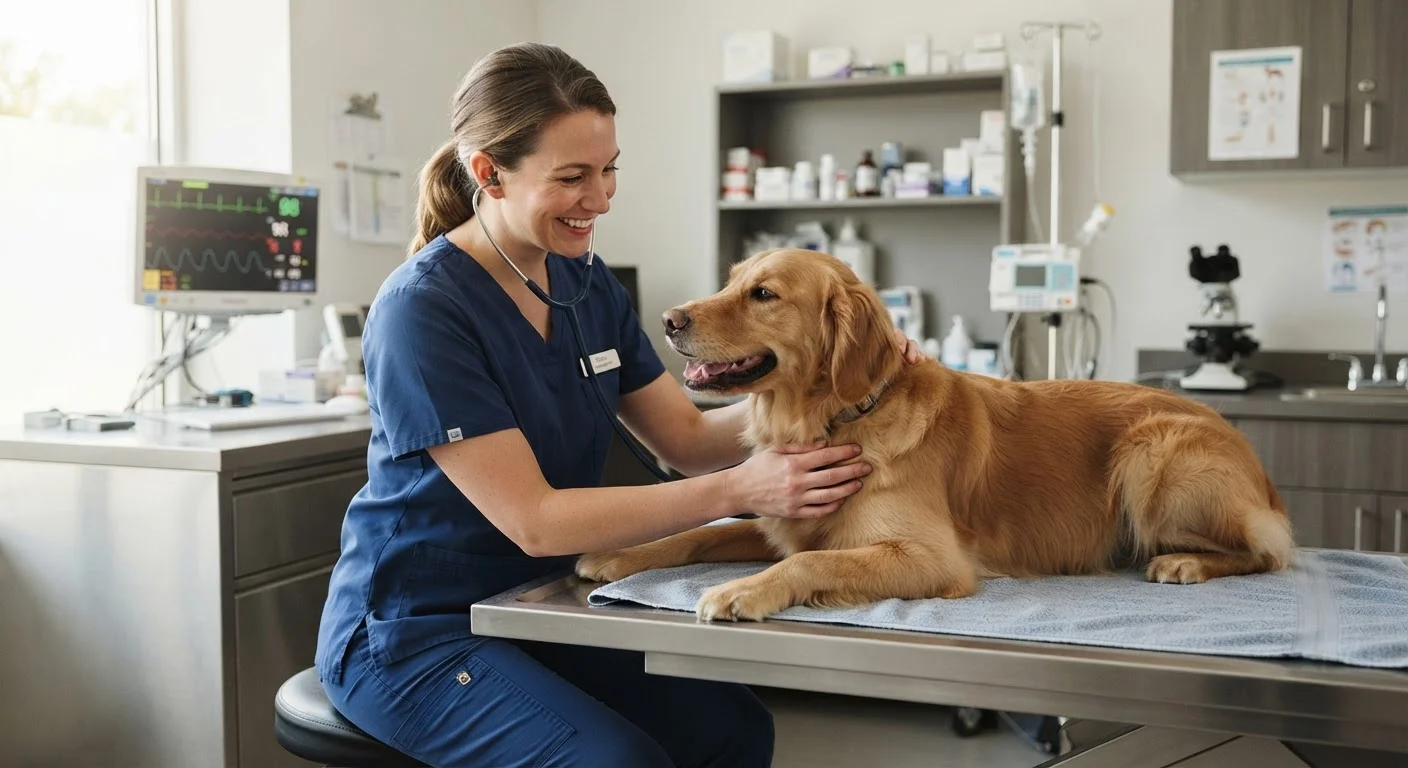
Throughout the procedure, a dedicated team member — a veterinary technician in most practices — monitors the patient continuously. Parameters typically tracked include heart rate and rhythm, respiratory rate, blood oxygen level (via pulse oximetry), blood pressure, body temperature, and anesthetic depth. This constant observation allows the team to detect and respond to changes quickly.
“Anesthetic monitoring is not a single number — it is the continuous integration of multiple physiological signals that together tell us how the patient is coping with the anesthetic state.”
— Veterinary Anesthesia and Analgesia (journal), Peer-reviewed veterinary anesthesia publication
Most anesthetic complications, when they occur, are identified and addressed during this monitoring phase rather than going unnoticed. Asking your vet how patient monitoring is conducted during procedures is a reasonable and encouraged question.
Preparing Your Pet Before the Procedure
Fasting instructions are among the most important pre-procedure guidelines to follow precisely. Food is typically withheld for 8–12 hours before anesthesia in adult dogs and cats, though specific guidance may differ for very young animals, diabetic pets, or certain species. Water restrictions vary by practice and procedure — always confirm with your vet what applies to your animal.
Our guide on preparing your pet for a vet appointment offers practical detail on the steps that can help a visit go smoothly. Reducing your pet's stress before arrival matters too — a calm, familiar carrier and minimal time in busy waiting areas can help. Our article on reading your pet's body language during a vet visit can help you recognize signs of anxiety before and after the procedure.
Write Down Your Questions in Advance
Before your pet's procedure, write down any concerns — including questions about monitoring practices, drug protocols, recovery expectations, and what to watch for at home. Veterinary teams routinely welcome these conversations. A brief pre-procedure consultation helps you understand what to expect and gives the vet valuable information about your pet's individual history.
Bring a complete list of any medications, supplements, or herbal products your pet currently receives. Some substances interact with anesthetic drugs, and the clinical team needs full information to make safe decisions.
What Recovery Generally Looks Like
Recovery begins as soon as the anesthetic gas is discontinued. Most pets start regaining consciousness within minutes, though the timeline varies by the drugs used, the length of the procedure, and individual metabolism. During the immediate recovery period, veterinary staff keep the animal warm, monitor vital signs, and ensure the airway remains clear.
At home, expect your pet to be quieter than usual, less interested in food, and possibly unsteady on their feet for the first several hours. A warm, quiet resting space away from stairs, young children, or other pets helps them recover comfortably. Follow all discharge instructions from your vet regarding food, water, activity restriction, and any medications prescribed.
Contact your veterinary clinic promptly if you observe any of the following: prolonged vomiting, pale or bluish gums, labored breathing, excessive swelling or bleeding at a surgical site, or an inability to rouse to normal alertness well beyond the expected recovery window. These may indicate complications that need prompt attention.
For context on routine veterinary care that might lead to an anesthetic procedure, see our overview of what happens at a routine wellness exam.
This article is for general informational purposes only and does not constitute veterinary medical advice. Always consult a licensed veterinarian regarding your individual pet's health, anesthetic risk, and care needs.