

Key Takeaways
Summary
18 items · 30–60 minutes across the days before your appointment
Why Preparation Makes a Real Difference
A vet appointment is more than a quick check-in — it's a window into your pet's overall health. How smoothly that window opens depends significantly on what you do before you ever leave the house. Pets that arrive calm, and owners who arrive organized, give the veterinary team the best possible conditions to do their job well.
This checklist is designed for routine wellness visits, but most steps apply equally to sick visits or specialist referrals. Work through each group in the days leading up to your appointment, not the morning of, to avoid last-minute stress for you and your pet. For a detailed look at what the vet actually does during the exam itself, see our guide to annual wellness exams.
Days Before the Appointment
The Night Before
Morning of the Appointment
At the Clinic
Tools and Resources to Have Ready
Having the right materials on hand before you begin will make working through this checklist much smoother.
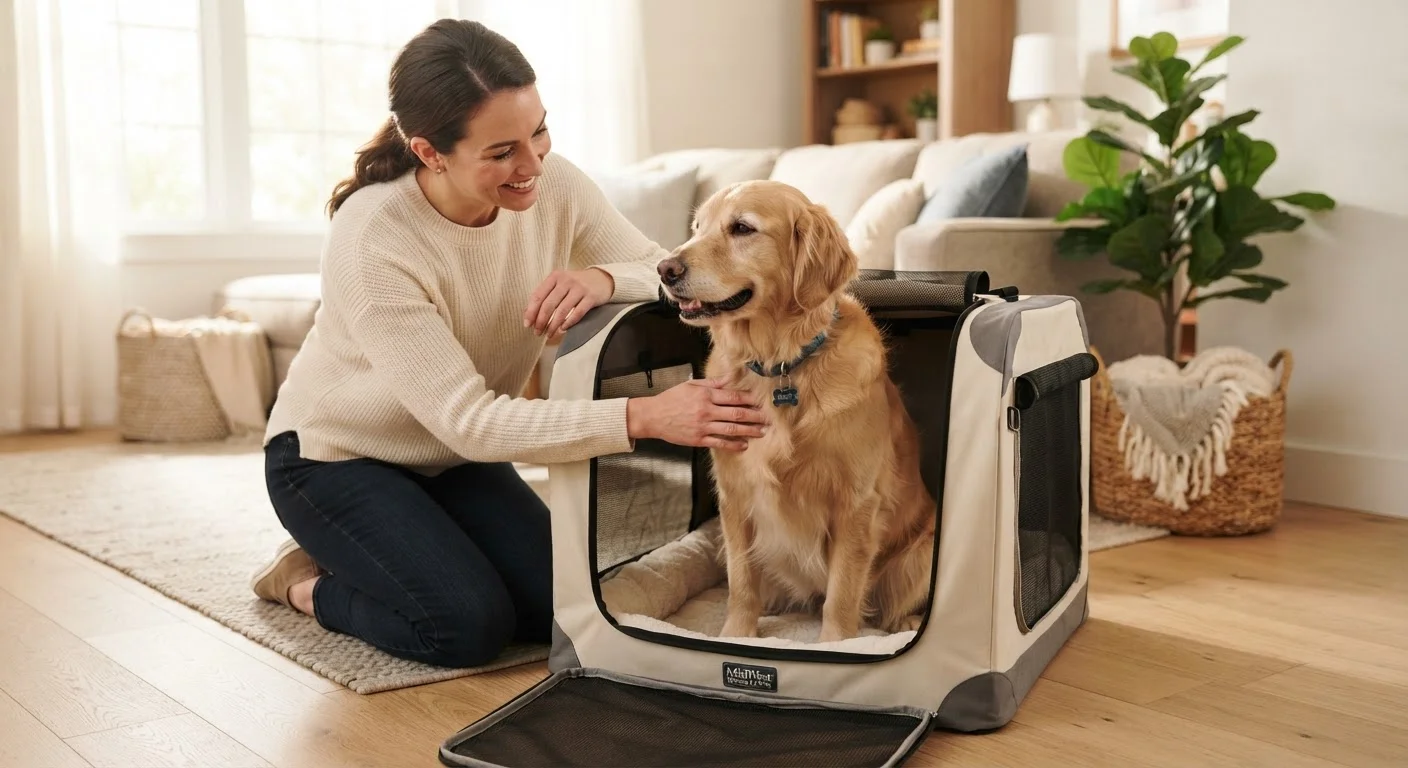
Pet carrier or travel crate
Required for safe, contained transport of cats and small dogs to and from the clinic.
Health records folder or digital file
Keeps vaccination history, prior diagnoses, and prescription records organized and accessible at check-in.
Stool sample container
Many vets request a fresh fecal sample to screen for parasites — use a clean, sealable container.
Written question list
Ensures you cover every concern during the limited time available in the exam room.
Familiar blanket or worn clothing item
Provides a comforting scent inside the carrier to reduce travel-related anxiety.
High-value treats
Used for positive reinforcement during carrier loading, the waiting room, and post-exam reward — only if fasting is not required.
Managing Anxiety — Yours and Your Pet's
Stress is one of the biggest barriers to a productive vet visit. Animals pick up on owner anxiety, so staying calm and matter-of-fact as you prepare helps set a neutral tone. Counterconditioning — pairing the carrier or car ride with treats and calm praise over several days — is one of the most evidence-supported ways to reduce feline and canine travel stress.
Never Give Medication Without Vet Approval
Some owners consider giving over-the-counter calming supplements or human medications before a vet visit. Many of these products are unsafe or even toxic for certain species. Always contact your veterinarian before administering anything — including natural or herbal supplements — to manage pre-visit anxiety.
Fasting Rules Depend on the Procedure
Fasting is not a universal requirement for all vet visits. Applying fasting unnecessarily can stress your pet, while skipping required fasting before anesthesia poses real safety risks. Confirm the specific requirement with your clinic when you book your appointment, and again if the appointment is rescheduled.
If your pet has a documented history of severe anxiety or aggression at the clinic, contact the practice ahead of time. Many veterinary offices now offer fear-free handling protocols, and some will recommend a pre-visit anti-anxiety medication prescribed by the vet — never administer any medication without explicit veterinary guidance first. Learning to read your pet's body language during a vet visit can help you spot distress early and ask staff to adjust their approach.
For owners of older animals, preparation may involve additional steps around mobility, medications, and monitoring. Our article on senior pet care covers how health needs evolve with age and what to discuss with your vet at each stage.
Anesthesia Requires Special Pre-Visit Steps
If your pet's appointment involves a procedure under general anesthesia — such as a dental cleaning, biopsy, or surgery — the preparation checklist is more involved. Strict fasting windows, pre-anesthetic bloodwork, and medication holds may all apply. Read our overview of what owners should understand before a procedure involving anesthesia and follow your vet's instructions precisely.
This article provides general information for educational purposes only. It is not a substitute for professional veterinary advice. Always consult a licensed veterinarian regarding your specific pet's health needs.