

Key Takeaways
Annual Wellness Exam
An annual wellness exam is a scheduled, preventive veterinary visit for a pet that shows no obvious signs of illness. During this appointment, a veterinarian performs a systematic physical assessment, reviews vaccine and parasite prevention status, and screens for early signs of developing health issues. It is the cornerstone of proactive pet care rather than reactive treatment.
Veterinarians use wellness exams to establish baseline health data over time — changes in weight, organ size, or bloodwork values across successive years can reveal trends that a single snapshot visit would miss.
The Nose-to-Tail Physical: What Vets Are Actually Checking
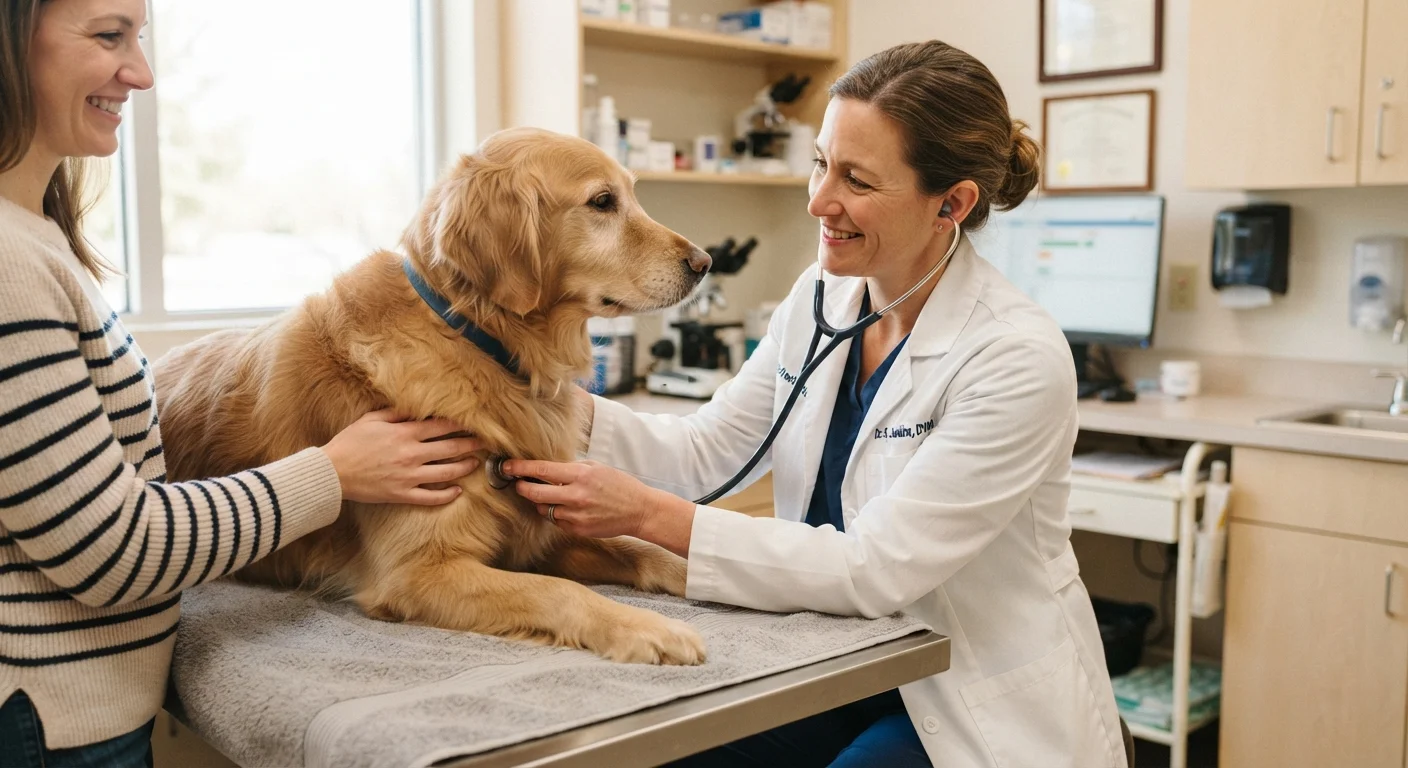
When your veterinarian walks into the exam room, observation begins immediately — before a single hand is laid on your pet. Gait, posture, coat condition, and alertness all provide information. The hands-on portion that follows is a structured, systematic review of every major body system.
- Eyes and ears: Vets look for discharge, redness, cloudiness, or signs of infection and check for polyps or debris in the ear canal.
- Mouth and teeth: Dental disease affects the majority of pets over age three and can contribute to heart and kidney problems. The vet checks for tartar buildup, gum inflammation, and tooth fractures.
- Heart and lungs: A stethoscope reveals murmurs, arrhythmias, or abnormal breath sounds that may indicate early cardiovascular or respiratory conditions.
- Abdomen: Gentle palpation assesses organ size, detects masses, and identifies tenderness that could signal gastrointestinal, urinary, or reproductive issues.
- Skin and coat: The vet checks for lumps, parasites, hot spots, and coat quality — a reliable indicator of overall nutritional status.
- Lymph nodes and joints: Swollen lymph nodes can signal infection or immune activity; joint flexibility and pain response are assessed, especially in older pets.
This full-body review typically takes 15 to 20 minutes and generates far more clinical data than most owners realize. Understanding how your pet communicates stress during this process can help you support their comfort and give the vet a more accurate picture.
Prepare Before You Arrive
Write down any behavioral or physical changes you've noticed — even subtle ones like increased water intake, changes in sleep, or shifts in appetite. Bring a fresh stool sample and a list of your pet's current diet and any supplements. Arriving prepared helps the vet work efficiently and ensures nothing important gets overlooked.
Diagnostics: When the Vet Goes Beyond the Physical
A physical exam reveals surface-level and palpable findings, but many of the most consequential health conditions — kidney disease, diabetes, thyroid dysfunction, heartworm infection — are invisible to touch and sight. Diagnostic testing closes that gap.
Bloodwork typically includes a complete blood count (CBC), which evaluates red and white blood cells, and a chemistry panel that assesses organ function markers like creatinine, blood urea nitrogen (BUN), liver enzymes, and blood glucose. These values, tracked annually, form a baseline that makes future deviations meaningful rather than ambiguous.
Urinalysis provides a separate window into kidney function and can flag urinary tract infections, crystals, or glucose in urine — an early diabetes indicator.
Fecal testing checks for intestinal parasites including roundworms, hookworms, giardia, and coccidia — parasites that can spread to humans and that may cause only subtle symptoms in pets. A fresh sample collected within 24 hours of the appointment is ideal.
Heartworm testing (dogs, and sometimes cats) and tick-borne disease panels are commonly run alongside bloodwork in regions with higher exposure risk.
Diagnostic Frequency Varies by Pet
Not every pet needs the full diagnostic panel at every visit. Your veterinarian will recommend testing frequency based on your pet's age, breed predispositions, and prior health history. Younger, healthy pets may only need fecal and heartworm testing annually, while senior pets often benefit from full bloodwork and urinalysis every year or even every six months.
The results of these tests are most useful in context — a single number out of range is different from a progressive trend across three annual panels. This is one reason continuity of care with the same veterinary practice matters over time.
Vaccines, Parasite Prevention, and Lifestyle Assessment
The wellness visit is the natural moment to review and update your pet's preventive care program. Vaccines are not automatically administered at every annual visit — the veterinarian evaluates which are due based on your pet's vaccination history, age, health status, and risk exposure.
Core vaccines — those recommended for virtually all pets regardless of lifestyle — include rabies and combination vaccines tailored to species. Lifestyle vaccines, such as the Bordetella (kennel cough) vaccine for social dogs or the feline leukemia vaccine for outdoor cats, are recommended based on individual circumstances.
Parasite prevention is reviewed in the same conversation. Your vet will assess whether your current flea, tick, and heartworm prevention regimen is appropriate for your region and your pet's exposure level. This is also the point at which microchip registration and current contact information are confirmed.
Beyond the clinical checklist, a good wellness exam includes a lifestyle discussion: What is your pet eating, and how much? Have you noticed changes in water intake, urination, activity level, or behavior? These details often guide the most important parts of the appointment. See our comprehensive guide to pet preventive care for a full breakdown of vaccines, parasite control, and dental health timelines.
Why Annual Exams Matter More as Your Pet Ages
Pets age faster than people, which means the health landscape can shift significantly between annual visits — and dramatically between years in a senior animal. A seven-year-old dog is roughly equivalent in biological age to a human in their mid-forties; a twelve-year-old cat is closer to the equivalent of a human in their mid-sixties.
Senior wellness visits often expand to include additional bloodwork panels, blood pressure measurement, joint mobility assessments, and screening questions focused on cognitive changes. Conditions like chronic kidney disease, hyperthyroidism in cats, and arthritis in dogs are far more common in older animals and respond best when caught early.
If you have recently welcomed an animal into your home, a first-year vet care roadmap can help you understand the initial schedule of visits, screenings, and vaccines your pet will need before settling into annual exams.
70%+
Dogs over age 3 with some dental disease
The American Veterinary Medical Association notes dental disease is among the most common conditions diagnosed in adult dogs and cats during routine exams.
2x/year
Recommended exam frequency for senior pets
Many veterinary organizations recommend biannual wellness visits for pets aged seven and older to catch age-related conditions sooner.
~50%
Pet owners who skip annual vet visits
Surveys conducted by veterinary industry groups consistently find a large share of pet owners delay or forgo routine wellness visits, often because their pet appears healthy.
Annual exams also serve a practical advocacy function: they give you a documented medical record and an established relationship with a veterinary team who knows your pet's history. That context matters enormously if your pet ever needs urgent care. For guidance on distinguishing urgent warning signs from issues that can safely wait, see when a vet visit can't wait.
This article provides general educational information about veterinary wellness care and is not a substitute for professional veterinary advice. Always consult a licensed veterinarian regarding your specific pet's health needs.