

Key Takeaways
Routine Wellness Exam
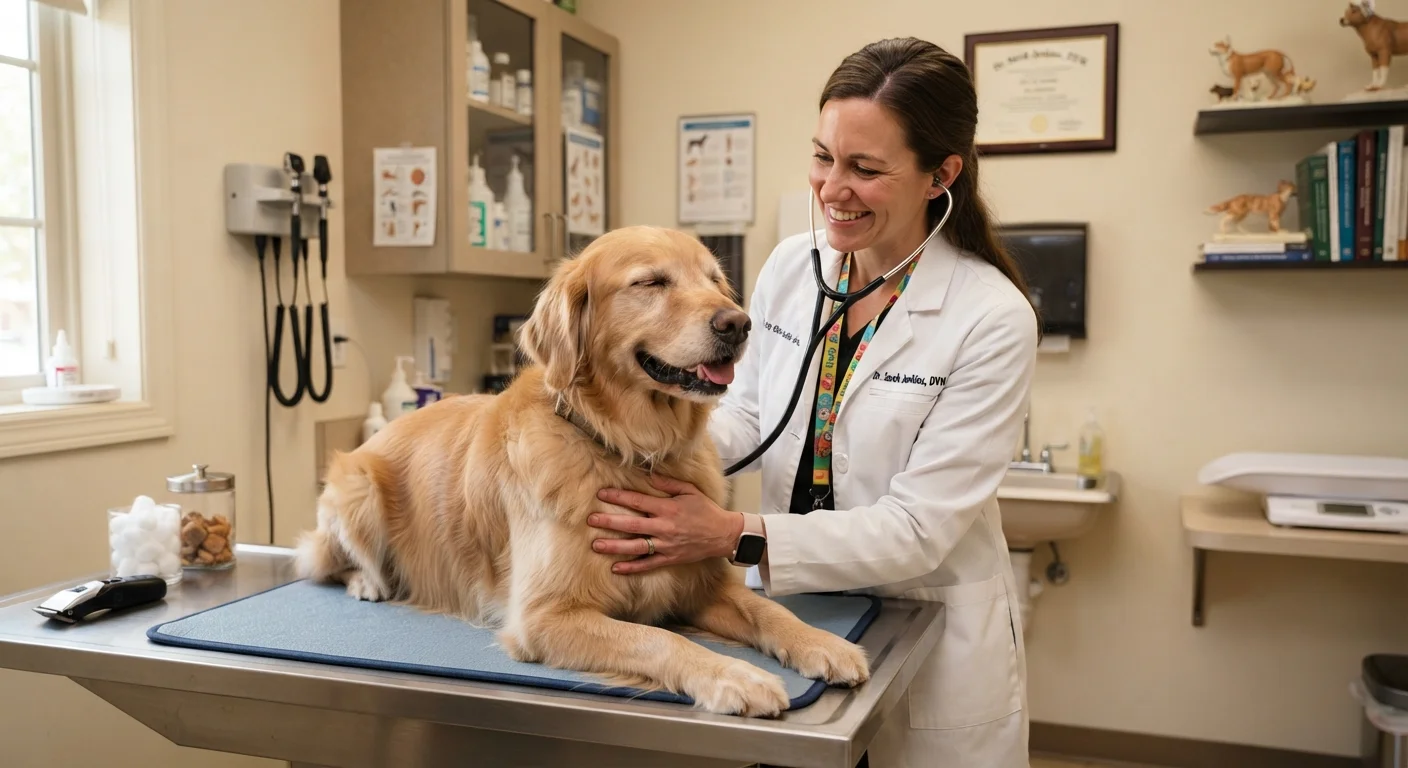
A routine wellness exam is a scheduled, preventive veterinary appointment for a healthy pet. The vet performs a head-to-tail physical assessment, reviews the pet's history, updates preventive care, and flags any early signs of illness. Unlike a sick visit, the goal is to maintain good health rather than treat a specific problem.
Veterinarians use the wellness exam to establish baseline physiologic values — weight, heart rate, body condition score — against which future changes can be measured, aiding early disease detection.
Why Routine Wellness Exams Matter
Many pet owners schedule a vet visit only when something seems wrong. But routine wellness exams serve a fundamentally different purpose: they give veterinarians a chance to detect problems before your pet shows obvious signs of illness. Animals — dogs and cats especially — are instinctively good at masking discomfort, which means a condition can progress significantly before an owner notices anything unusual.
Annual or semi-annual wellness visits establish a documented health baseline for your pet. Over years, that record allows your vet to spot gradual changes — a slow weight loss, creeping dental disease, or a slight heart murmur — that would be easy to overlook in isolation. Think of it as routine maintenance that protects both your pet's health and your ability to make informed care decisions.
For families with new animals, the first-year vet care roadmap is a helpful companion to understanding how early and often these visits should happen.
Prepare a Short Health Summary Before You Go
Write down your pet's current diet, any supplements or medications, and any changes in behavior, appetite, or energy you've noticed since the last visit. Sharing this information at the start of the exam helps your vet tailor the assessment and saves valuable appointment time. Even small observations can be diagnostically useful.
What the Vet Checks During the Exam
A wellness exam is structured and systematic. Your vet or a veterinary technician will typically begin by recording your pet's weight and temperature, then move through the following areas:
- Eyes and ears: Checking for discharge, redness, cloudiness, or signs of infection or mites.
- Mouth and teeth: Evaluating gum color, dental tartar buildup, tooth fractures, and signs of periodontal disease.
- Skin and coat: Looking for lumps, rashes, parasites, hair loss, or changes in texture.
- Heart and lungs: Listening with a stethoscope for murmurs, arrhythmias, or abnormal breath sounds.
- Abdomen: Palpating (feeling) the belly to assess organ size, pain response, and any unusual masses.
- Lymph nodes: Checking for swelling that can indicate infection or systemic disease.
- Musculoskeletal system: Observing gait and feeling joints for swelling, reduced range of motion, or pain — particularly important in older pets.
The vet will also review your pet's vaccination status and recommend any boosters due, and may discuss parasite prevention. For a broader view of how vaccines and checkups fit together, see the complete picture of pet preventive care.
1 in 3
Pets show no obvious illness signs before diagnosis
Veterinary health surveys consistently find that many pets with detectable early-stage disease appear outwardly normal to their owners, underscoring the value of physical examination.
70%
Of dogs over 3 have some form of dental disease
The American Veterinary Medical Association (AVMA) notes that periodontal disease is one of the most common conditions identified during routine wellness exams in adult dogs.
6 months
Recommended exam interval for senior pets
Many veterinary organizations recommend twice-yearly wellness exams for older pets, since age-related conditions can develop and progress more quickly than in younger animals.
Bloodwork and Additional Diagnostics
The physical exam tells your vet a great deal, but some conditions only become visible through laboratory testing. Many veterinary practices recommend adding a wellness blood panel — a complete blood count (CBC) and chemistry profile — to annual exams for adult and senior pets. These tests assess organ function (kidney, liver, thyroid), red and white blood cell counts, and blood glucose levels.
A fecal (stool) test is commonly recommended at least once a year to screen for intestinal parasites such as roundworms, hookworms, and giardia — many of which cause no obvious symptoms. Urinalysis may also be suggested, especially for middle-aged and older pets, to catch early kidney or urinary tract changes.
These diagnostics are optional but add meaningful depth to what a physical exam alone can detect. Your vet will explain which tests make sense based on your pet's age, breed, lifestyle, and history. The exam is also the right time to raise any behavioral changes or concerns — your vet can help you determine whether they are medical in origin.
If you're ever unsure whether a symptom requires an urgent trip rather than a scheduled appointment, this guide on emergencies vs. routine concerns can help you decide.
Making the Most of Your Pet's Appointment
A wellness exam is a two-way conversation. Arriving prepared helps your vet give your pet the most useful assessment possible. Before the appointment, write down any behavioral changes, shifts in appetite or water intake, and questions about diet, supplements, or exercise. Even observations that seem minor — drinking more water than usual, sleeping in a new position, scratching at one ear — can be clinically meaningful.
If your pet tends to be anxious in the clinic, let the front desk know when you book. Many practices now use fear-free handling approaches to reduce stress during exams. Bringing a familiar blanket or toy can help, as can feeding your pet lightly beforehand if your vet permits it — hunger can heighten anxiety.
Consistent wellness visits are one of the most practical habits a pet-owning family can build. Integrated into a broader routine of good nutrition, exercise, and daily observation, they form the backbone of long-term preventive care. Learn more about how these elements fit together in the Pet Health & Vet resource hub.
This article is for general informational purposes only and does not constitute veterinary medical advice. Always consult a licensed veterinarian for guidance specific to your pet's health needs.