

Key Takeaways
Pet-Friendly Household
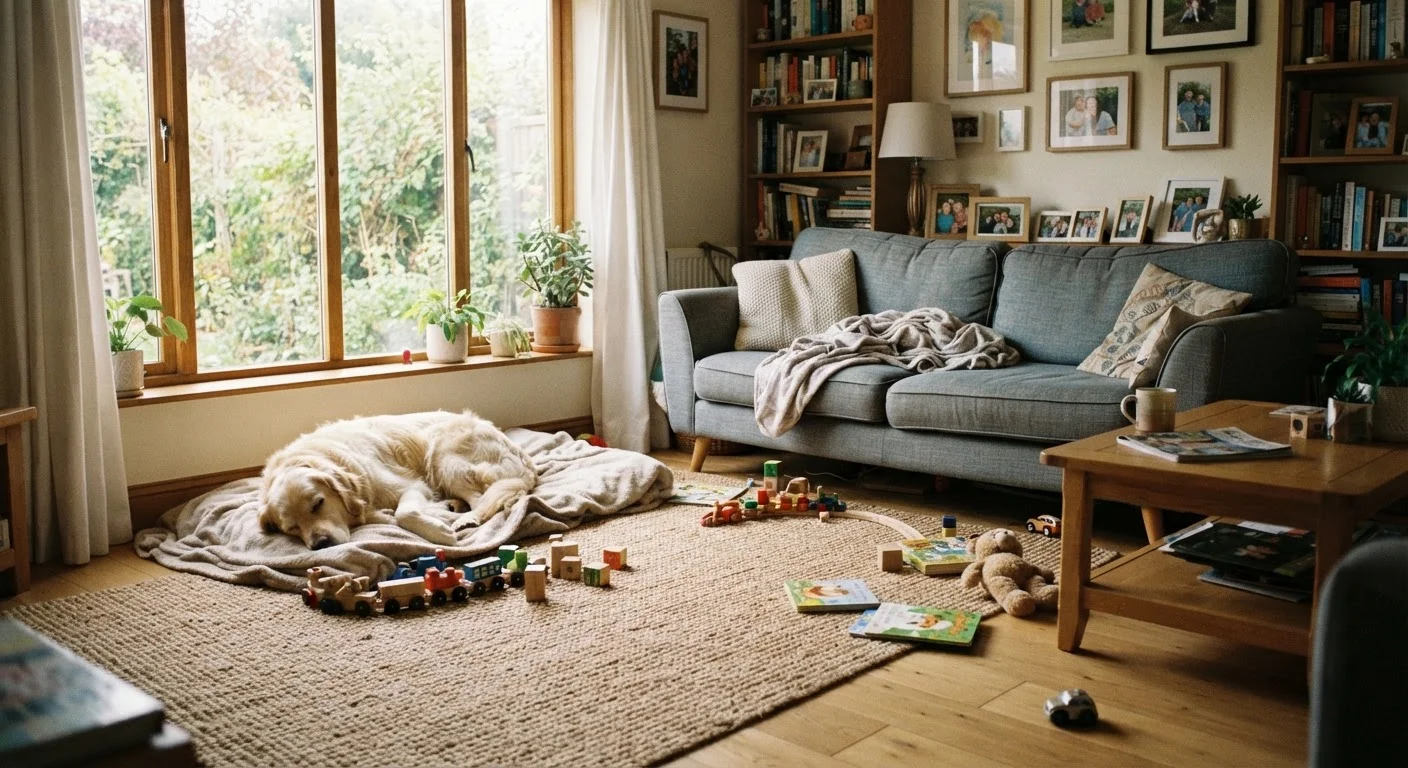
A pet-friendly household is one where the physical environment, daily routines, financial capacity, and emotional readiness of everyone living there align with the realistic demands of a specific animal. It is not simply a home that tolerates pets — it is one where both the people and the animal can genuinely thrive together. The fit depends heavily on species, individual temperament, and your family's lifestyle patterns.
Animal behaviorists distinguish between a pet that is merely 'manageable' and one that is 'well-matched' — the latter showing lower stress indicators, fewer behavior problems, and stronger human-animal bond scores in welfare research.
Why 'Pet-Friendly' Is More Than a Checklist
When families describe themselves as pet-friendly, they usually picture a home with enough room, no severe allergies, and a genuine love of animals. Those factors matter — but they represent only the surface layer of what genuine household fit actually involves. Research in animal welfare consistently shows that mismatches between pet and household — not cruelty or neglect — are the primary driver of pet surrenders to shelters.
True compatibility is dynamic. It involves your work schedule, your home's noise level, how often you travel, the ages of your children, your tolerance for mess and disruption, and your realistic financial picture. Families that assess these dimensions honestly before adopting tend to report stronger bonds with their pets and fewer regrets. Working through a structured self-assessment before committing is one of the most effective steps any family can take.
No Universal Definition Applies
There is no single standard for what makes a household pet-friendly. A home that is ideal for a calm senior cat may be poorly suited for a high-energy working breed dog. Evaluating fit means asking specific questions about a specific animal — not applying a general label to your household and assuming it covers all species.
Time: The Factor Families Most Often Underestimate
Time is arguably the most consequential variable in household pet fit — and the one most frequently misjudged. A dog with high exercise needs may require two or more hours of active engagement daily. Even lower-maintenance species like rabbits or parrots need consistent daily interaction to remain behaviorally healthy. When that time isn't realistically available, animals often develop anxiety, destructive behavior, or health problems rooted in stress.
It helps to map your actual weekly schedule before choosing a species. Consider who handles morning routines, who is home midday, and what happens during school holidays, work travel, or illness. The hidden time costs of pet ownership are worth reading through carefully — the daily reality of care often looks quite different from the initial picture families imagine.
Map Your Week Before You Choose
Before selecting a species, track a typical week in your household — including early mornings, commute times, after-school activities, and weekend patterns. Then research the care schedule that your candidate pet genuinely requires. The gap between those two pictures is your compatibility signal. If the gap is large, consider a species with lower daily time demands rather than assuming routines will adjust naturally.
Space, Noise, and Household Rhythm
Physical space matters, but it's rarely the defining constraint families assume it to be. A small apartment with an engaged, active owner can suit many dogs better than a large home where the pet is left alone for long hours. What matters more is how the animal's behavioral needs map onto your household's daily rhythm.
Noise levels cut both ways. Some species — parrots and certain dog breeds, for example — produce substantial noise that neighbors or household members may find stressful. Conversely, households with frequent gatherings, young children, or unpredictable schedules can be overstimulating for animals prone to anxiety. If your family lives in a smaller space, our comparison of small vs. large pets offers a practical household-fit framework worth reviewing.
~20%
Pet owners who rehome within the first year
Estimates from animal welfare organizations suggest roughly one in five adopted pets is rehomed within a year, most commonly due to lifestyle mismatches rather than animal behavior problems alone.
2+ hours
Daily care time for active dog breeds
Veterinary behaviorists commonly cite two or more hours of exercise and engagement per day as a baseline for high-energy breeds such as Border Collies, Huskies, and working retrievers.
Up to 80%
Bite incidents involving familiar dogs
According to the American Veterinary Medical Association, the vast majority of dog bites involve dogs known to the victim, highlighting the importance of temperament assessment over breed assumptions alone.
Children, Life Stages, and Species Selection
The ages and temperaments of children in your home meaningfully shape which pets are a good fit — and which carry elevated risk. Young children often struggle to interpret animal stress signals, making interactions with easily startled or pain-sensitive animals more likely to result in bites or scratches. This isn't a reason to avoid pets; it's a reason to choose carefully and introduce thoughtfully.
Animal behavior research suggests that medium-to-large dogs with calm, confident temperaments and prior socialization with children tend to integrate more safely into homes with toddlers than do fearful, reactive, or toy-breed dogs with lower bite thresholds. For families with very young children, bringing a pet home when you have young children covers what developmental and behavioral science together recommend.
Financial Readiness and Long-Term Commitment
Financial preparedness is a core component of household fit that polite pet conversations often skip. Beyond the visible costs of food and routine vet visits, families should plan for dental care, parasite prevention, grooming (particularly for certain breeds), boarding during travel, and unexpected illness or injury. Emergency veterinary care can represent a significant unplanned expense.
Commitment spans years — sometimes decades. A healthy dog adopted as a puppy may be with your family for 12 to 15 years. A parrot's lifespan can extend well beyond that. Understanding the full arc of care required — including routine health and veterinary needs at each life stage — helps families enter the relationship with realistic expectations rather than discovering surprises along the way. When all these dimensions align, the result is genuinely good for both the animal and the household.
This article is for general informational and educational purposes only. For guidance specific to your family's health, allergies, or individual animal behavior concerns, consult a qualified veterinarian or certified animal behaviorist.
“The question is never whether a family loves animals enough. It's whether the specific animal's daily needs can be reliably met by the specific household in front of you. That match — not sentiment — determines welfare outcomes.”
— Pets & Animals Editorial Team, Editorial guidance based on veterinary behavioral research and animal welfare literature