

Key Takeaways
Why Timing and Developmental Stage Matter
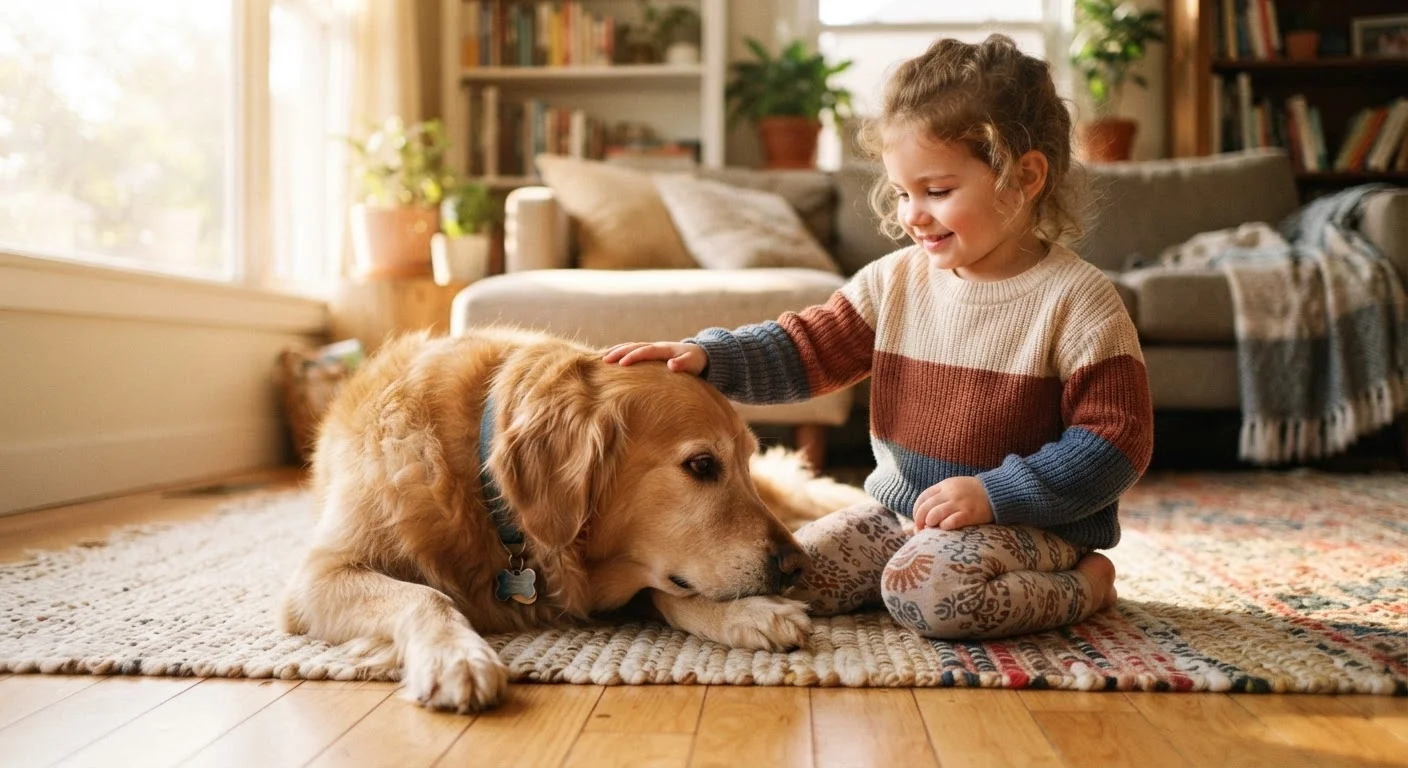
Child development research consistently shows that children under five have limited impulse control and cannot reliably read animal body language — two factors directly relevant to pet safety. Toddlers may squeeze, startle, or approach animals unpredictably, which can trigger defensive responses even in well-socialized pets.
This doesn't mean young families should wait. It means they should select a pet whose temperament, size, and species-typical behavior align with the household's youngest member. Before deciding, it helps to work through a structured self-assessment that covers lifestyle, budget, and genuine family readiness.
A Note on Developmental Readiness
Child development stages vary considerably from child to child. Age ranges cited in research are general guidelines, not hard cutoffs. If you have concerns about your child's readiness to interact safely with a pet, a pediatrician or child development specialist can offer perspective tailored to your child's specific stage.
Choosing the Right Species and Temperament
Species selection is one of the most consequential decisions a family makes. Dogs and cats are the most common choices, but each comes with very different interaction styles. Animal behaviorists generally advise evaluating individual temperament over breed alone — a shelter's behavioral assessment of a specific animal is more reliable than broad generalizations.
For families with very young children, key traits to prioritize include:
- Tolerance for unpredictable movement and noise — animals that startle easily pose greater risk around toddlers.
- Low predatory drive — relevant for smaller pets like hamsters or birds introduced into a multi-pet home.
- Prior positive exposure to children — documented history from a foster home or shelter assessment is valuable evidence.
For families wanting lower-maintenance alternatives, small mammals such as guinea pigs can be appropriate for children aged six and older, provided direct interactions are always supervised. Our guide on what 'pet-friendly' really means for your household explores the less obvious factors beyond species alone.
Safe Introductions and the First Weeks
The first introduction sets the tone for the entire relationship. Rushing this process is one of the most common mistakes families make. A gradual approach — scent introduction before physical meeting, calm low-stimulation environments, and short supervised interactions — gives both the animal and child time to adjust without overwhelming either.
For detailed steps on managing that first meeting, see introducing a new pet to a home with children.
Beyond the introduction itself, establish house rules from day one. Children should understand that pets need quiet spaces to retreat to and that interactions stop immediately if the animal shows signs of stress — flattened ears, tucked tail, or freezing in place. Reinforcing these boundaries consistently is more effective than reactive correction.
Once the pet is settled, pet care basics can help families build sustainable daily routines that keep everyone healthy and happy.
Building Responsibility Without Overloading Children
Pets offer genuine opportunities for children to develop empathy and responsibility — but only when tasks match their developmental stage. Assigning a five-year-old sole responsibility for feeding is unrealistic; helping refill a water bowl alongside a parent is meaningful and achievable.
Match Tasks to Your Child's Age
Children aged three to five can participate in simple tasks like placing a toy in a pet bed or helping carry the food bowl under supervision. Children aged six to nine can take on more consistent tasks such as helping with feeding routines alongside a parent. Adolescents can manage more independent responsibilities, but adult oversight should never disappear entirely — it simply becomes less hands-on over time.
Age-appropriate involvement also supports the child's emotional bond with the animal. Over time, as children mature, responsibilities can grow. Families who approach this as a shared, evolving commitment — rather than a child's project — report more positive outcomes for both the pet and the family. For a broader look at navigating differing expectations within the household, choosing a pet when the whole family disagrees offers a useful framework.
“The single most important factor in preventing dog bites to children is not the breed of the dog — it is the quality of supervision and the child's education about appropriate interaction.”
— American Veterinary Medical Association, National veterinary professional organization, dog bite prevention guidance
This article is for general informational purposes only and does not constitute veterinary or professional behavioral advice. Consult a licensed veterinarian or certified animal behaviorist for guidance specific to your pet and family situation.