

Key Takeaways
When Doing It Yourself Costs More Than Hiring Help
DIY home improvement is genuinely rewarding — and often the smarter financial choice. Painting a room, replacing a faucet, or installing a ceiling fan are well within reach for a motivated homeowner. But a significant number of projects fall into a different category: ones where the wrong approach creates safety risks, triggers code violations, or produces damage that's far more expensive to repair than the original job would have cost to hire out.
The hidden costs of DIY projects — failed inspections, material waste, and professional corrections — can quickly erase any savings. The list below identifies the situations where stepping back and calling a qualified professional is the smarter, safer move.
Electrical Panel Work and Rewiring
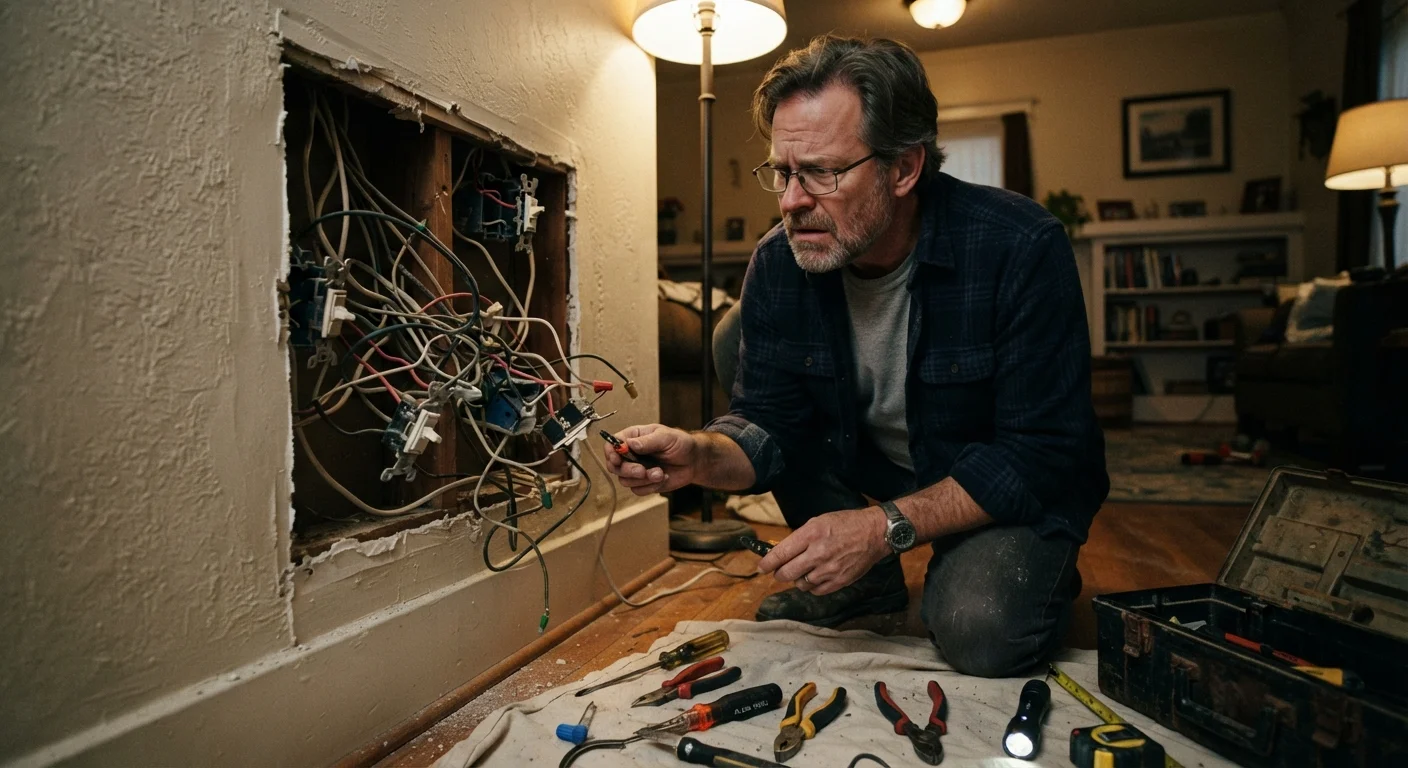
Replacing an outlet or installing a light fixture is one thing. Working inside your main electrical panel — adding circuits, upgrading amperage, or touching service entrance wiring — is another entirely. This work carries a genuine risk of electrocution, fire, and carbon monoxide hazards from improperly wired equipment.
In most jurisdictions, panel work requires both a licensed electrician and a permit. Unpermitted electrical work is one of the most common red flags uncovered during home inspections, and it can jeopardize a home sale or trigger costly remediation. Check what permits actually cover before assuming any electrical job is permit-free.
Unpermitted electrical work is among the most common deal-killers uncovered during home sales.
Gas Line Connections and Appliance Hook-Ups
Moving or extending a gas line — for a new range, dryer, or outdoor grill connection — is not a job that tolerates even small errors. A gas leak that goes undetected can result in fire, explosion, or carbon monoxide poisoning. Most states require a licensed plumber or gas fitter to perform this work, and inspections are mandatory.
Even tasks that seem minor, like reconnecting a gas appliance after moving it, warrant professional verification if you're not certain the connection is fully sealed and properly supported.
A small error on a gas connection can go undetected until the consequences are catastrophic.
Structural Wall Removal
Opening up a floor plan sounds straightforward until you realize the wall you planned to remove is load-bearing. These walls transfer the weight of the roof and upper floors down to the foundation, and removing them without proper support — typically a correctly sized beam and posts — can cause structural failure.
Identifying load-bearing walls requires understanding your home's framing, which isn't always obvious from interior inspection alone. Our article on load-bearing walls explains how to approach this safely and why a structural engineer or licensed contractor should be involved before any wall comes down.
Removing the wrong wall without proper support can compromise your home's structural integrity.
Roofing Repairs and Full Replacements
Working on a roof presents serious fall hazards, and mistakes create leak pathways that may not show up for months. Improper flashing around chimneys, skylights, or valleys is one of the most common causes of water intrusion that leads to mold, rot, and structural damage.
Many roofing material warranties are also voided if installation isn't performed by a certified contractor. For large sections of damaged or aging roofing, the safety risk and warranty implications generally make professional installation the wiser choice.
Improper flashing is a leading cause of water damage that can remain hidden for months.
Asbestos and Lead Paint Disturbance
Homes built before 1980 may contain asbestos in insulation, floor tiles, or textured ceilings, and lead paint in older painted surfaces. Disturbing these materials — by sanding, drilling, or demolishing — can release harmful particles into the air. The EPA regulates renovation work that disturbs lead paint in pre-1978 homes, requiring certified contractors in many situations.
If you suspect either material is present, professional testing and abatement is the only safe path. This is not an area where general online guidance substitutes for licensed assessment.
Sanding or drilling into asbestos or lead paint releases hazardous particles that pose serious health risks.
Major Plumbing Work Beyond Fixtures
Replacing a showerhead or toilet is approachable DIY territory. But modifying supply lines, re-routing drain-waste-vent pipes, or working on main water shut-off connections requires knowledge of pipe sizing, venting requirements, and local codes. Errors can result in leaks inside walls, sewer gas intrusion, or water damage that compounds silently over time.
Permit requirements also apply to most major plumbing work. Like electrical issues, unpermitted plumbing can surface during a home inspection and complicate a sale. As a practical rule: if drywall needs to come down or pipes need to be cut, involve a licensed plumber.
Unpermitted plumbing work can surface during inspections and complicate a future home sale.
How to Make the Call Before You Start
Before picking up a tool, ask yourself three questions: Does this work require a permit? Could a mistake injure someone or damage the structure? Do I have the specific knowledge and equipment to do this safely? If the answer to any of these is uncertain, it's worth getting at least one professional assessment before proceeding.
Get a Professional Assessment First
For any project you're uncertain about, many licensed contractors offer initial consultations or estimates at no charge. Even if you ultimately decide to hire out the work, that conversation gives you an accurate picture of what's involved and what a fair price looks like. It's a low-cost way to avoid expensive surprises.
For projects that genuinely are DIY-friendly, preparation still matters. See our guide on caulking windows and doors correctly or what weekend painting tutorials leave out for examples of how proper technique makes the difference. And if you're weighing whether to buy or rent specialty tools for a one-time job, our renting vs. buying framework can help you decide.
Smart homeownership means knowing your limits — and that knowledge protects your budget, your family, and the long-term value of your home.