

Key Takeaways
Why Pet Dental Myths Are More Than Just Misunderstandings
Misconceptions about pet oral health are remarkably common — and some of them carry real consequences. When families believe that a dog's mouth is self-cleaning or that only senior pets develop dental disease, they may unintentionally skip care routines that could prevent pain, tooth loss, and systemic illness in their animals.
Veterinary dental specialists estimate that the majority of dogs and cats show signs of periodontal disease by age three. Many of those cases begin with small, preventable issues that go unaddressed because the owner didn't know what to look for. This article works through the most frequently repeated dental myths — and replaces them with what the evidence actually shows. For a broader look at foundational pet care habits, visit the Pet Care Basics hub.
Myth
Dry kibble keeps a dog's teeth clean, so brushing isn't necessary.
Fact
Dry food provides minimal dental benefit and does not replace active cleaning.
The idea that crunching kibble mechanically scrubs teeth has some surface logic, but veterinary research does not support it as a meaningful dental care strategy. Most kibble shatters on contact rather than abrading the tooth surface. Plaque — the soft bacterial film that hardens into tartar — accumulates at the gumline regardless of food texture. Professional veterinary dental organizations consistently recommend brushing as the primary home care method, regardless of diet type.
Myth
Bad breath is just a normal part of being a dog or cat.
Fact
Persistent halitosis is usually a clinical sign of bacterial overgrowth or periodontal disease.
While a pet's breath will never smell minty fresh, noticeably foul or persistent odor is a recognized symptom of oral disease — not a benign quirk. Bacterial communities in diseased gum tissue produce volatile sulfur compounds responsible for that distinct smell. Halitosis that doesn't resolve between meals warrants a veterinary examination, as it often indicates tartar buildup, gingivitis, or deeper periodontal infection.
Myth
Cats don't really need dental care — they groom themselves.
Fact
Self-grooming has no effect on oral health; cats are equally susceptible to periodontal disease.
Cats are meticulous groomers, but that behavior cleans fur — not teeth. Feline dental disease is extremely common and frequently underdiagnosed because cats are skilled at masking discomfort. A condition specific to cats, called tooth resorption, causes painful lesions at the gumline and affects a significant portion of adult cats. Regular veterinary dental exams are just as important for cats as they are for dogs.
Myth
Dental cleanings are dangerous because they require anesthesia.
Fact
Anesthesia-free cleanings are considered inadequate; anesthesia enables safe, thorough dental care.
Anesthesia does carry some risk, and veterinarians take that seriously — conducting pre-anesthetic bloodwork and monitoring vitals throughout the procedure. However, anesthesia-free dental scaling (sometimes marketed as a cosmetic alternative) only removes visible tartar above the gumline. It does not allow for subgingival (below the gumline) cleaning, probing for pockets, or dental X-rays. The American Veterinary Dental College has stated that anesthesia-free dentistry is unsafe and ineffective for treating actual dental disease.
Myth
Only older pets develop dental disease — young animals don't need checkups.
Fact
Periodontal disease commonly begins in pets as young as two to three years old.
Age is not a protective factor against oral disease. Plaque begins accumulating within hours of a meal, and without consistent removal, it mineralizes into tartar within days. Veterinary studies have found that a majority of pets show early signs of periodontal disease well before middle age. Starting dental care in puppyhood or kittenhood — and maintaining annual exams — is far more effective than intervening after disease has progressed.
Recognizing Symptoms and Knowing When to Call Your Vet
Catching dental problems early makes treatment more straightforward and less costly. Watch for these common warning signs in dogs and cats:
- Persistent bad breath that doesn't improve between meals
- Yellow or brown tartar buildup along the gumline
- Red, swollen, or bleeding gums when touched
- Difficulty chewing, dropping food, or chewing on one side
- Pawing at the mouth or rubbing the face along surfaces
- Loose or missing teeth outside of normal puppy or kitten tooth loss
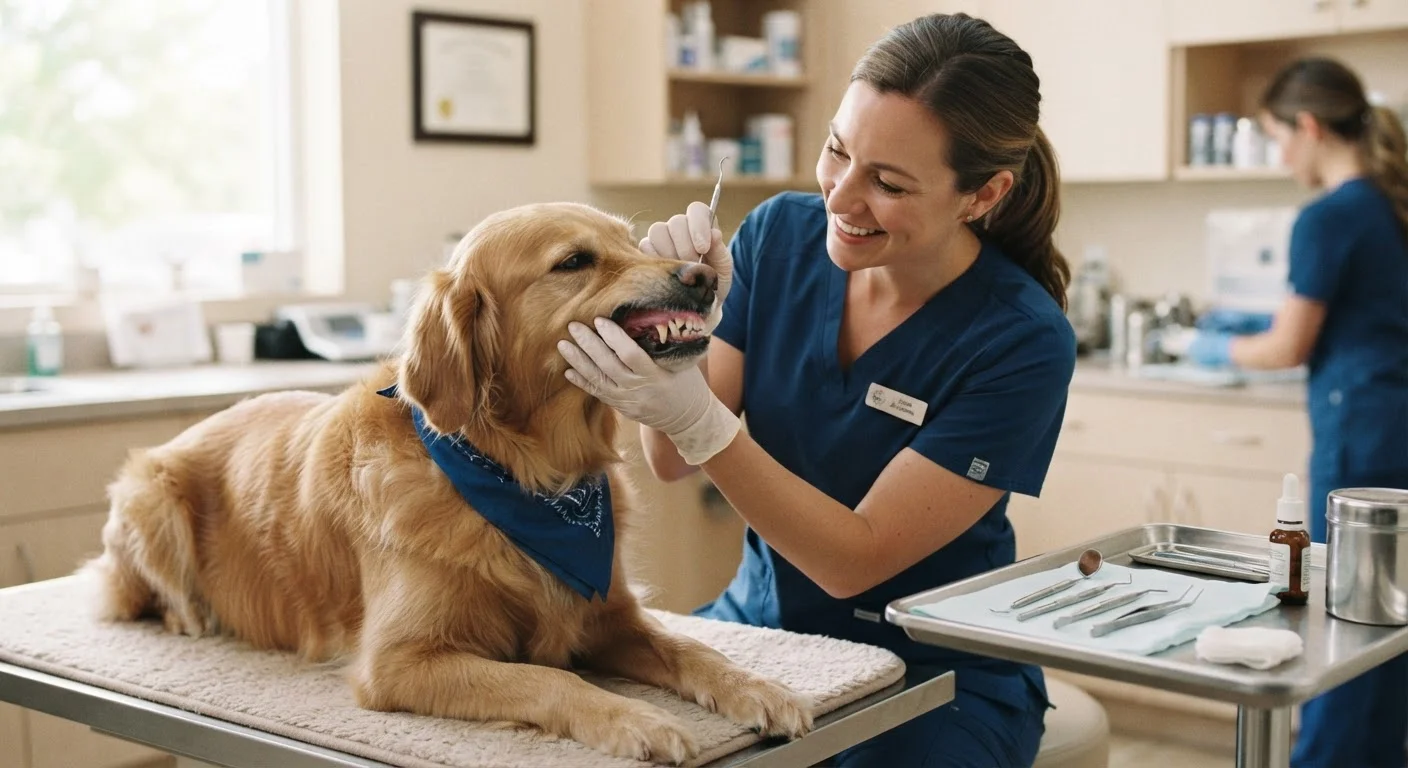
If you notice any of these signs, a veterinary exam is the appropriate next step. Do not attempt to diagnose or treat dental conditions at home. Your vet can assess the extent of any disease and recommend a professional cleaning under anesthesia if needed — a procedure that allows for thorough scaling, polishing, and X-rays that aren't possible in an awake animal.
Dental Disease Can Affect More Than Teeth
Chronic periodontal disease does not stay confined to the mouth. Bacteria from infected gum tissue can enter the bloodstream and have been associated with changes in heart, kidney, and liver tissue in companion animals. While research into the exact mechanisms is ongoing, veterinary consensus supports treating dental disease as a whole-body health concern — not just a cosmetic issue. Regular exams and prompt treatment of oral problems are part of responsible, comprehensive pet care.
This article provides general pet health information for educational purposes only. It is not a substitute for professional veterinary advice. Always consult a licensed veterinarian regarding your pet's specific health needs.
Building a Realistic Home Dental Care Routine
Veterinary dental organizations generally recommend brushing a pet's teeth daily using a toothbrush and toothpaste formulated specifically for animals — human toothpaste contains ingredients that can be toxic to pets. Starting young and introducing the process gradually makes it far easier for both pet and owner.
Dental chews, water additives, and dental diets may provide supplemental benefit, but the evidence supporting them varies. Look for products that carry the Veterinary Oral Health Council (VOHC) seal, which indicates the product has met pre-set standards for plaque or tartar reduction. These are useful additions to — not replacements for — brushing. For guidance on reading pet food labels, including dental-diet claims, see our article on decoding pet nutrition labels.
Never Use Human Toothpaste on Pets
Many human toothpastes contain xylitol, fluoride, or foaming agents that are toxic to dogs and cats. Always use a toothpaste specifically formulated and labeled safe for pets. If you are unsure which products are appropriate, ask your veterinarian for a recommendation at your next visit.
Consistent home care between annual or biannual professional cleanings gives pets the best chance of maintaining healthy gums and teeth throughout their lives.