

Key Takeaways
Dog Bathing Frequency
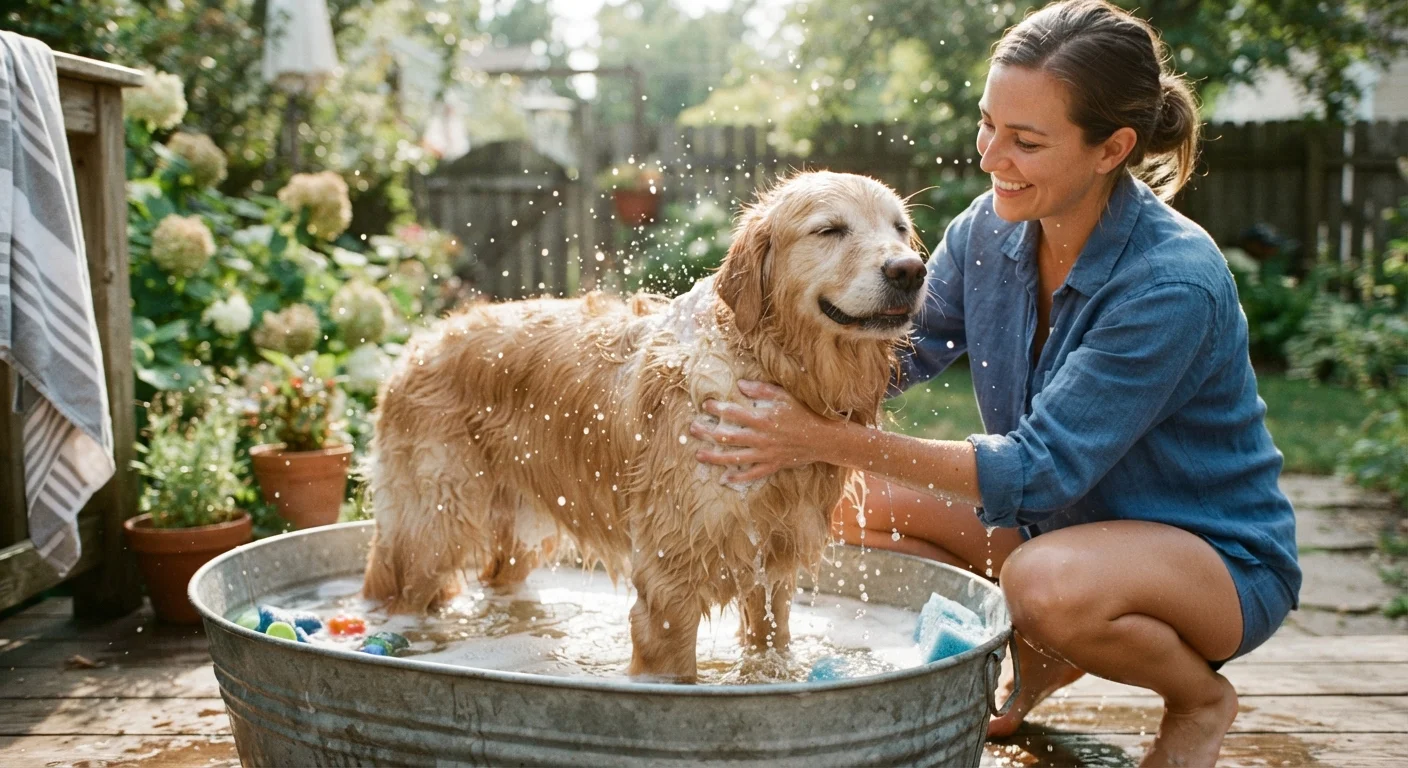
Dog bathing frequency refers to how often a dog should be washed with water and shampoo to maintain healthy skin and coat. There is no single universal answer — the right schedule depends on a dog's breed, coat type, activity level, and any skin conditions. Most healthy dogs do well with a bath roughly once every four to six weeks, though many factors can shift that range considerably.
Over-bathing can strip the skin's natural oils (sebum), potentially leading to dryness, irritation, or increased shedding. Under-bathing may allow allergens, bacteria, and dirt to accumulate on the coat and skin surface.
Why There's No One-Size-Fits-All Answer
One of the most common grooming questions dog owners ask is deceptively simple: how often should my dog be bathed? The honest answer is that it depends — and understanding what it depends on is far more useful than any fixed rule.
Dogs vary enormously in coat texture, skin sensitivity, daily activity, and breed-specific grooming needs. A Labrador Retriever who swims daily has very different hygiene needs than a Chihuahua who rarely leaves the living room. Before settling on a schedule, it helps to understand the key variables that shape a healthy bathing routine. You can also learn more about how breed characteristics influence overall care by reading how to interpret dog breed profiles critically.
4–6 weeks
Recommended bathing interval for most healthy dogs
Veterinary grooming guidelines generally suggest this range as a starting baseline for adult dogs without specific skin conditions.
~67%
US households with at least one dog
According to the American Pet Products Association's National Pet Owners Survey, dogs remain the most commonly kept pet in American homes.
2–3×/week
Recommended brushing frequency for long-coated breeds
Regular brushing between baths significantly reduces matting, shedding, and the frequency of full baths needed for longer-coated dogs.
The Main Factors That Determine Bathing Frequency
Coat Type
Coat length and texture are the single biggest driver of bathing frequency. Short, smooth coats (think Beagles or Boxers) repel dirt more efficiently and rarely need bathing more than once every six to eight weeks. Long or double-layered coats — common in breeds like Golden Retrievers, Bernese Mountain Dogs, or Pomeranians — trap debris and oils more readily, often requiring baths every three to four weeks combined with regular brushing.
Activity Level and Environment
Dogs that spend significant time outdoors, roll in grass, swim in ponds, or play in mud will need more frequent washing regardless of their breed. A mostly indoor dog with low activity can usually go longer between baths without hygiene concerns.
Skin Health
Dogs with allergies or skin conditions may need a vet-prescribed bathing routine that's more — or less — frequent than average. Medicated shampoos prescribed by a veterinarian are sometimes part of managing chronic skin issues. If your dog scratches persistently, bathing frequency may be one factor to discuss with your vet. Our article on why dogs scratch and what it might mean covers related causes worth understanding.
Use Dog-Specific Shampoo Every Time
Human shampoos — including baby shampoo — have a different pH than products formulated for dogs and can disrupt the skin's natural balance over time. Always use a shampoo specifically designed for dogs. If your dog has a diagnosed skin condition, ask your veterinarian to recommend an appropriate product rather than selecting one independently.
The Risks of Bathing Too Often or Too Rarely
Both extremes carry real consequences. Bathing a dog too frequently strips away the natural oils the skin produces to stay moisturized and protected. This can lead to flakiness, itching, and a dull, brittle coat. On the other hand, going too long without bathing allows buildup of dirt, allergens, and bacteria that can irritate skin and cause odor — and in long-coated dogs, it increases the risk of painful matting.
The general guideline for most healthy adult dogs is a bath every four to six weeks. That said, this is a starting point, not a prescription. Adjust based on how your dog actually looks, smells, and feels between washes.
Bathing Puppies, Seniors, and Special Cases
Age matters when setting a bathing routine. Puppies — especially very young ones — need gentle handling, puppy-formulated shampoo, and brief, warm baths. They haven't fully developed their ability to regulate body temperature, so keeping bath time short and drying them thoroughly is important. Puppy and adult dog care needs differ across multiple dimensions, and bathing is no exception.
Senior dogs with arthritis or mobility limitations may find standing in a tub stressful or painful. A handheld showerhead, non-slip mat, and help supporting their weight can make bathing safer and less stressful. If a senior dog has significant health concerns, consult your veterinarian before establishing a bathing routine.
Keeping your dog's overall daily care organized — including grooming — is easier with a consistent structure. See our guide on setting up a daily care routine for a family dog for a broader framework.
Keeping Your Dog Clean Between Baths
A full bath isn't always necessary to keep a dog clean and comfortable. Regular brushing — ideally several times a week for longer-coated breeds — removes loose fur, debris, and surface dirt before it has a chance to build up. Wiping paws after outdoor walks reduces allergen and mud tracking onto the coat and into the home.
Pet-safe grooming wipes work well for quick spot-cleaning around the face, ears, and paws. These aren't a substitute for bathing, but they can meaningfully extend the time between full washes without sacrificing hygiene. Staying consistent with these in-between habits also makes bath time itself easier — your dog stays calmer when bathing doesn't feel like an emergency intervention.
“The skin and coat are windows into a dog's overall health. Consistent, appropriate grooming — not too frequent, not too infrequent — is one of the simplest ways owners can support their pet's wellbeing.”
— Pets & Animals Editorial Team, Drawing on guidance from veterinary dermatology literature and professional grooming standards
This article provides general pet care information and is not a substitute for professional veterinary advice. Consult a licensed veterinarian for guidance tailored to your dog's individual health needs.