

| Engine oil change interval (synthetic) | 7,500-10,000 miles (typical) (Varies by manufacturer and oil grade) |
| Brake fluid replacement | Every 2 years or 24,000 miles (Most manufacturer recommendations) |
| Coolant service interval | 30,000-50,000 miles or 2-5 years (Varies by coolant type) |
| Transmission fluid (automatic) | 30,000-60,000 miles (Consult owner's manual for sealed units) |
| Power steering fluid replacement | Every 50,000-75,000 miles (General guideline; varies by vehicle) |
Why Vehicle Fluids Matter
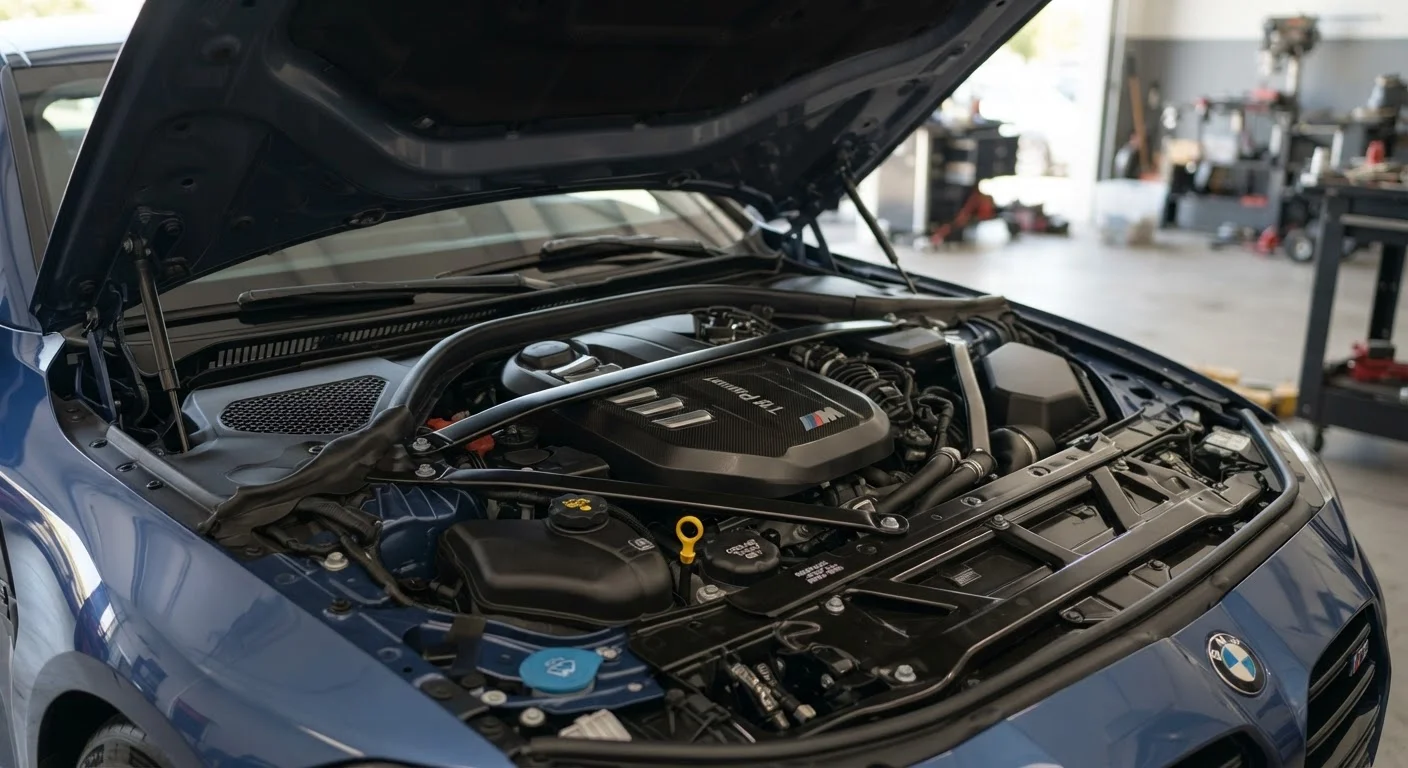
Your car is a system of systems, and nearly every one of them depends on a fluid to function. Fluids lubricate moving parts, transfer heat, transmit force, and prevent corrosion. When they degrade or run low, the consequences range from reduced efficiency to catastrophic component failure - often with no warning until the damage is already done.
The good news: staying ahead of fluid maintenance is straightforward once you understand what each fluid does and what its service interval looks like. For a broader look at how fluids fit into your overall service plan, see Your Car's Maintenance Schedule, Explained.
| Engine oil change interval (synthetic) | 7,500-10,000 miles (typical) (Varies by manufacturer and oil grade) |
| Brake fluid replacement | Every 2 years or 24,000 miles (Most manufacturer recommendations) |
| Coolant service interval | 30,000-50,000 miles or 2-5 years (Varies by coolant type) |
| Transmission fluid (automatic) | 30,000-60,000 miles (Consult owner's manual for sealed units) |
| Power steering fluid replacement | Every 50,000-75,000 miles (General guideline; varies by vehicle) |
The Six Fluids Every Owner Should Know
Engine Oil is the most frequently replaced fluid and the most critical. It lubricates internal engine components, reduces heat from friction, and carries contaminants to the filter. Conventional oil typically requires a change every 3,000-5,000 miles; full synthetic oil generally extends that to 7,500-10,000 miles or more. Always defer to your owner's manual. Signs it's overdue: the oil appears very dark or gritty on the dipstick, or the oil pressure warning light illuminates.
Coolant (Antifreeze) regulates engine temperature, preventing both overheating in summer and freeze-up in winter. It also inhibits internal corrosion. Most coolants are rated for 30,000-50,000 miles or 2-5 years, though extended-life formulas can last longer. A tell is discolored or rusty-looking fluid in the overflow reservoir.
Transmission Fluid lubricates the gears and clutch packs in automatic and manual transmissions. Automatic transmission fluid (ATF) is typically serviced every 30,000-60,000 miles; many manufacturers now specify longer intervals for sealed units. If shifting feels sluggish or jerky, or you notice a burnt smell, have it inspected promptly.
Brake Fluid is hydraulic - it transmits pedal pressure to the calipers. Because it's hygroscopic (it absorbs moisture from the air), it degrades over time regardless of mileage, lowering its boiling point and potentially causing brake fade. Most manufacturers recommend replacing it every 2 years or 24,000 miles. For a deeper explanation of how the braking system works together, see Brake Pads, Rotors, and Fluid: How Your Stopping System Actually Works.
Power Steering Fluid (in vehicles with hydraulic systems) enables effortless steering. Low or degraded fluid can cause whining noises when turning or heavy, unresponsive steering. Check the reservoir level periodically; full replacement is often recommended every 50,000-75,000 miles.
Windshield Washer Fluid is the one fluid that poses no mechanical risk if neglected, but running the system dry can damage the pump. Use a rated washer fluid rather than plain water, which can freeze in the reservoir or leave mineral deposits.
Hygroscopic
A substance that absorbs moisture from the surrounding air over time. Brake fluid is hygroscopic, which is why it must be replaced on a time-based schedule even if mileage is low.
ATF (Automatic Transmission Fluid)
Specialized fluid that lubricates gears, clutch packs, and other components inside an automatic transmission. It also acts as a hydraulic medium for gear changes.
Coolant / Antifreeze
A fluid - typically a mixture of ethylene glycol and water - that circulates through the engine and radiator to regulate operating temperature and prevent freezing or boiling.
Viscosity
A measure of a fluid's resistance to flow. Engine oil viscosity ratings (such as 5W-30) describe how the oil performs across temperature ranges, affecting protection at startup and under heat.
Reading the Signs and Staying on Schedule
The clearest guide to service intervals is your vehicle's owner's manual - it accounts for your specific engine, transmission type, and operating conditions. Most modern vehicles also display a maintenance reminder on the dashboard when a service is approaching.
Pay particular attention to severe-duty driving conditions, which accelerate fluid degradation: frequent short trips, towing, stop-and-go city driving, dusty environments, or extreme temperatures. Under these conditions, many manufacturers recommend shortening the standard intervals.
No Service History? Start Fresh
If you've bought a used vehicle without complete maintenance records, treat all fluids as unknown. A full fluid refresh - oil, coolant, brake fluid, transmission fluid - gives you a clean baseline and removes the uncertainty of guessing when each was last serviced. This one-time cost is typically far less than the repairs caused by neglected fluids.
If you've purchased a used vehicle and don't have its full service history, a conservative approach is to replace all major fluids as a baseline. This is especially relevant for high-mileage vehicles - High-Mileage Vehicle Care: What Changes After 100,000 Miles covers how maintenance priorities shift as odometers climb.
For new owners just building this knowledge from the ground up, Car Maintenance for New Drivers and First-Time Owners provides a practical starting checklist. When in doubt about any fluid service - especially transmission or brake system work - have a qualified mechanic inspect and perform the job rather than attempting it without the proper tools or training.