

Family Health

Back-to-School Health Preparation for Families

Share
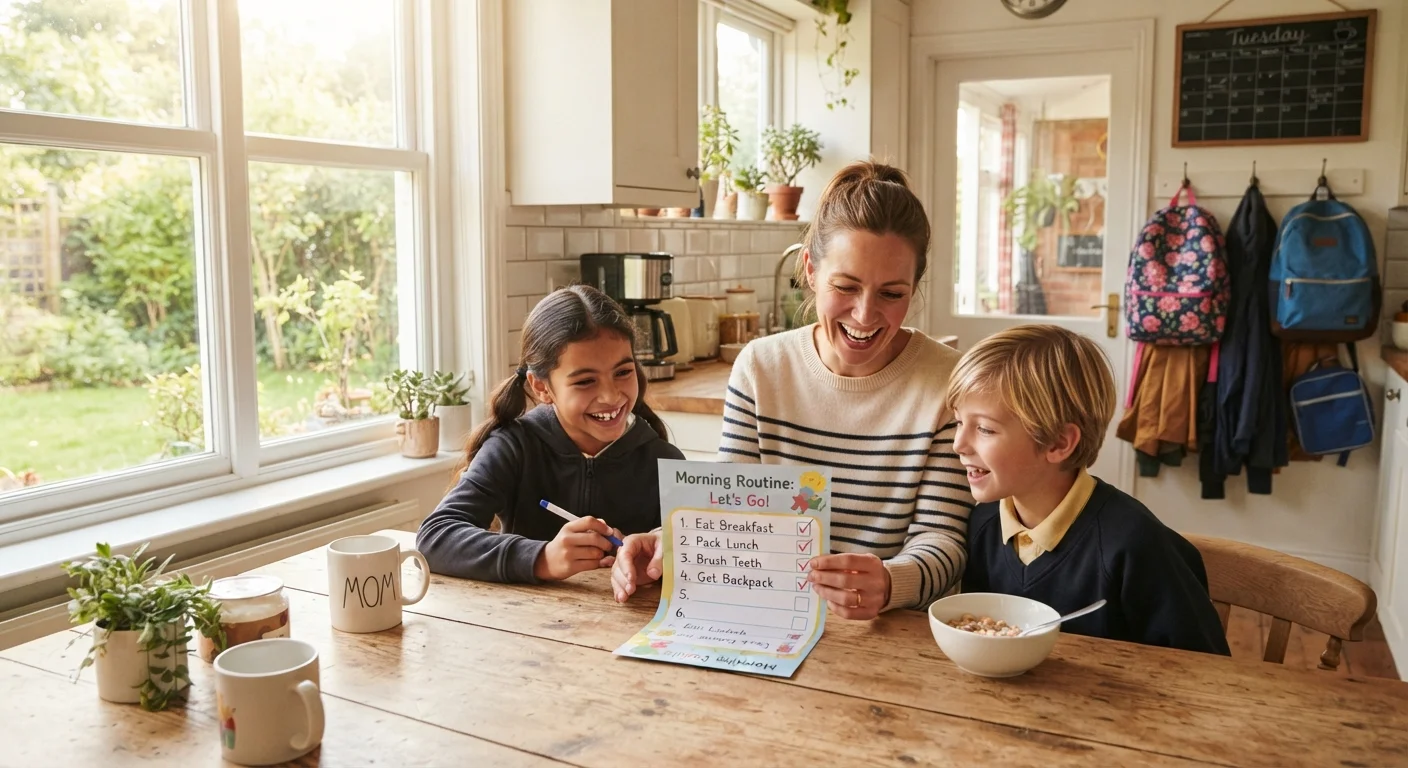
Parent and two children reviewing a back-to-school health checklist at a kitchen table.

Key Takeaways

Scheduling a well-child visit before school starts helps catch health concerns early.
Immunization records are typically required by schools — verify yours well in advance.
Vision and hearing screenings are easy to overlook but can significantly affect learning.
Mental and emotional readiness is just as important as physical health preparation.
Starting healthy sleep and nutrition routines a few weeks early eases the back-to-school transition.
30–60 min

Summary

18 items · 30–60 minutes to review; scheduling appointments may take additional time

Why a Health Checklist Makes Sense Before School Starts

The weeks before a new school year are busy, but they're also an ideal window for addressing your child's health needs before routines get crowded with homework, activities, and early mornings. Getting ahead of immunization requirements, dental concerns, or a vision change means fewer disruptions once classes begin.

This checklist is designed as general health education — not medical advice. Every child is different, and a qualified healthcare provider is always your best resource for guidance specific to your family. For a broader look at your household's everyday habits, our family wellness audit is a helpful companion resource.

Medical Appointments

Schedule a well-child visit with your child's pediatrician before the school year begins. These annual checkups are a key opportunity to review growth, development, and any emerging health concerns — see our guide to well-child visits for what to expect. Must
Review your child's immunization records and confirm all school-required vaccines are up to date. Contact your pediatrician or local health department if you're unsure which immunizations are currently due. Must
Schedule a dental checkup and cleaning if one hasn't occurred in the past six months. Untreated dental pain can affect a child's ability to concentrate in school. Should
Refill any ongoing prescription medications and confirm dosage instructions with the prescribing provider before the school year starts. Must

Vision and Hearing

Arrange a vision screening or full eye exam, particularly if your child has complained of headaches, squinting, or difficulty reading the board. Many vision problems go unnoticed until they're screened. Must
Ask your pediatrician about a hearing screening if your child frequently asks for repetition, seems inattentive, or hasn't had their hearing checked recently. Should
If your child currently wears glasses or contact lenses, confirm the prescription is current and order replacements or spares if needed before school begins. Should

School Documentation

Gather immunization records, physical exam forms, and any required health condition management plans (such as an asthma action plan or allergy action plan) and submit them to the school by the required deadline. Must
Complete any medication authorization forms required by the school nurse so that medications can be administered on campus if necessary. Must
Update emergency contact information and health history forms with the school, especially if anything has changed since last year. Must

Mental and Emotional Readiness

Talk with your child about any worries or excitement they have about the upcoming school year. Normalizing these conversations helps children feel supported rather than alone in their anxieties. Should
If your child has experienced significant anxiety, mood changes, or behavioral shifts over the summer, discuss these observations with their pediatrician before school resumes. Should
Re-establish a predictable daily schedule one to two weeks before the first day to reduce transition-related stress. Should

Sleep, Nutrition, and Daily Habits

Gradually shift bedtimes earlier in the week before school starts so that early wake-ups don't come as a shock to your child's internal clock. Must
Plan consistent, balanced breakfast options for school mornings. Regular morning meals are associated with better attention and energy throughout the school day. Should
Review your child's water bottle and lunchbox supplies to ensure they're ready for daily use. Hydration during the school day supports concentration and physical activity. Nice to have
Revisit hand-washing habits with younger children as a simple, evidence-supported way to reduce the spread of common illnesses. Should
Confirm that any allergy management supplies — such as epinephrine auto-injectors — are not expired and are included in the school's health plan documentation. Must

Tools and Resources to Have on Hand

Working through this checklist is easier when you have the right records and contacts ready. Gather these before you sit down to review each item.

Required

Immunization Records

Needed to verify vaccine status and fulfill school enrollment requirements.

Required

Insurance Card and Provider Contact Info

Required when scheduling and attending medical, dental, and vision appointments.

Required

School Health Forms Packet

Many schools distribute required health forms at registration — have these ready to complete alongside your provider.

Optional

Personal Health Notebook or Digital Notes App

Useful for tracking appointment dates, questions for providers, and medication details in one place.

Required

Pharmacy Contact Information

Helpful for refilling prescriptions and confirming whether any medications need provider authorization before refills.

Once you've assembled these resources, move through the checklist categories in order — medical items first, then sensory screenings, and finally the daily routine preparations that help children settle into the school year.

Immunization Deadlines Can Affect Enrollment

Many US school districts have firm deadlines for submitting immunization records, and missing them can delay your child's start date. Check your district's specific requirements — which may include state-mandated vaccines — as early as possible. If your child has a medical exemption, confirm that the required documentation is current and submitted correctly. Contact your child's healthcare provider or your local health department if you have questions about which vaccines are needed.

Setting Up Healthy Routines Before Day One

Physical health appointments are only part of the picture. Children also benefit from gradual routine adjustments that begin a week or two before school starts. Shifting bedtimes earlier, reintroducing structured meal times, and talking openly about any social anxieties all contribute to a smoother transition.

If your child takes any medications or has a chronic condition that requires a school health plan, contact the school nurse's office early — many schools require documentation and authorization forms to be completed before the first day. This is especially important for children managing asthma, allergies, diabetes, or other ongoing conditions.

Don't Wait Until the First Week of School

Pediatric practices and school-based clinics often experience high demand in the final weeks of summer. Scheduling appointments early — ideally four to six weeks before school starts — gives you more flexibility and reduces the chance of being waitlisted. Last-minute scheduling can also leave insufficient time to obtain lab results or complete multi-step vaccine series before required deadlines.

For a wider view of routine-building across nutrition, sleep, and movement, explore our wellness habits hub. And if your family has a road trip planned before school resumes, the family travel prep checklist can help you stay organized on that front too.

This article is for general informational and educational purposes only and is not a substitute for professional medical advice, diagnosis, or treatment. Always consult a qualified healthcare provider with questions about your child's health.

Family Health Editorial Team is the collective byline for our editorial team and contributor network. Articles published under this byline or an editorial pen name are researched, written, and reviewed according to our editorial standards for clarity, consistency, and independence before publication.

View all articles by Family Health Editorial Team →
Disclaimer: The content provided on our blog site traverses numerous categories, offering readers valuable and practical information. Readers can use the editorial team’s research and data to gain more insights into their topics of interest. However, they are requested not to treat the articles as conclusive. The website team cannot be held responsible for differences in data or inaccuracies found across other platforms. Please also note that the site might also miss out on various schemes and offers available that the readers may find more beneficial than the ones we cover.