

Key Takeaways
Lifetime Cost (Total Cost of Ownership)
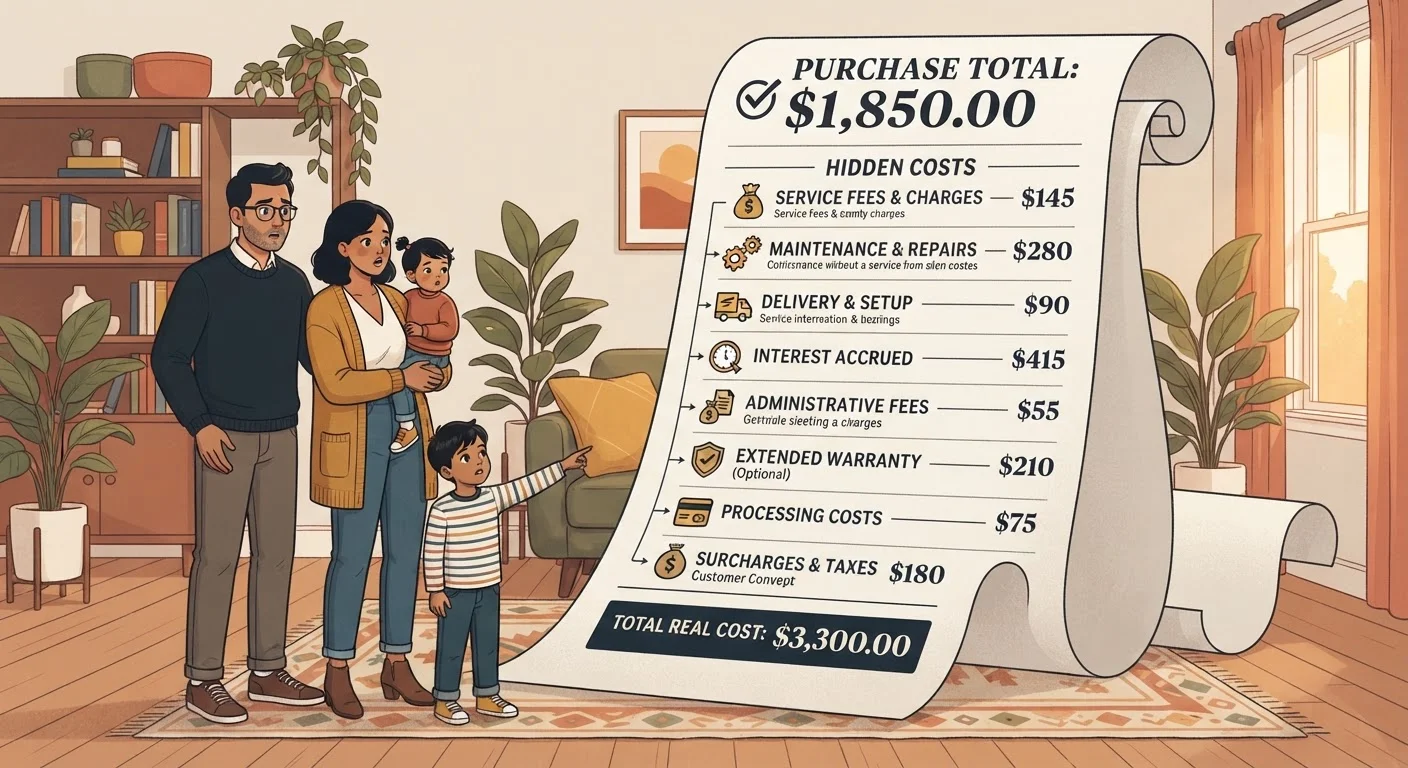
The lifetime cost of a purchase - sometimes called total cost of ownership - is the full amount you'll spend on something from the day you buy it until the day you no longer use it. This includes the purchase price plus every recurring, maintenance, and incidental expense that follows. Most household decisions look very different when viewed through this lens rather than the sticker price alone.
In financial analysis, total cost of ownership (TCO) also accounts for opportunity cost - money tied up in a purchase that could have been invested or saved elsewhere.
Why the Sticker Price Is a Starting Point, Not a Final Answer
Stores and manufacturers have every incentive to make the entry price look as small as possible. A printer for $79 seems reasonable until you're spending $200 a year on ink. A car with an attractive monthly payment may carry insurance, fuel, and maintenance costs that push its true annual expense well past what the financing advertisement suggested.
This isn't accidental. Pricing strategy routinely front-loads the appealing number - the sticker - while the ongoing costs arrive quietly, one charge at a time. For families managing tight household budgets, this pattern is one of the most common sources of financial stress. Understanding it is the first step toward avoiding it.
The concept of total cost of ownership reframes every major purchase decision: instead of asking "Can I afford this?" the more useful question becomes "What will I actually spend on this over the next five years?"
~$10,000+
Annual cost to own and operate a vehicle
AAA's annual 'Your Driving Costs' research has consistently found that total vehicle ownership costs - including depreciation, fuel, insurance, and maintenance - average well over $10,000 per year for many US drivers.
$1,500-$3,000
Typical annual dog ownership expense
The American Pet Products Association and independent surveys consistently estimate that medium-to-large dog owners spend between $1,500 and $3,000 annually on food, veterinary care, grooming, and supplies.
$300+
Average annual household spend on unused subscriptions
Multiple consumer surveys have found that US households frequently underestimate their subscription spending, with a meaningful portion going to services rarely or never used.
The Hidden Cost Categories Most Families Miss
Lifetime costs cluster into a few predictable categories. Recognizing them in advance makes them easier to estimate:
- Consumables: Ink, filters, batteries, blades, detergent pods - items that run out and must be replaced regularly. These can quietly rival the original purchase cost within a year or two.
- Energy and utilities: Appliances, HVAC systems, and electric vehicles all carry an ongoing energy cost that varies significantly by model and efficiency rating.
- Maintenance and repairs: Vehicles need oil changes, tires, and eventual component replacements. Appliances need servicing. Homes need roof, HVAC, and plumbing attention on predictable cycles.
- Insurance: Cars, homes, valuables, and even some electronics carry insurance premiums that continue as long as you own the item.
- Subscriptions and software: Many devices now require recurring software licenses, cloud storage fees, or connectivity plans. These are easy to overlook at purchase and easy to forget to cancel. Our piece on subscription traps explains the warning signs in detail.
- Opportunity cost: Money spent on a purchase is money not invested, saved for emergencies, or directed toward other priorities. This is harder to quantify but real.
For a deeper look at the costs that frequently catch families off guard, see hidden costs families overlook.
Ask One Question Before Every Major Purchase
Before committing to any significant buy, ask: "What will I spend on this per year, beyond the purchase price?" Even a rough estimate - fuel, maintenance, subscriptions, consumables - can reveal whether the total commitment fits your budget. This single habit catches most lifetime cost traps before they start.
How to Estimate Lifetime Cost Before You Buy
You don't need a spreadsheet to do this well - a back-of-the-envelope estimate is usually enough to reveal whether a purchase is genuinely affordable.
- Set an ownership window. How long do you expect to use this? Three years? Ten? This determines how many annual costs to count.
- List every recurring cost. Monthly subscriptions, annual insurance premiums, scheduled maintenance, and consumable refills all belong here.
- Research repair frequency and cost. Consumer forums, owner groups, and reliability ratings (available from independent research organizations) can give you a realistic picture of what breaks and how much it costs to fix.
- Add a buffer for surprises. Even well-researched estimates miss something. A 10-15% cushion for unexpected costs is a reasonable rule of thumb.
- Compare options on the same basis. Two products that look far apart in sticker price may be close in lifetime cost - or even reversed.
This approach is particularly valuable for categories with well-documented hidden costs, like vehicles, pets (see the hidden time costs of pet ownership), and home appliances. It also applies directly to recurring charges - subscription creep is a related trap worth reviewing as part of any budget audit.
Putting It Into Practice for Your Family Budget
Building this habit into household decision-making doesn't have to be time-consuming. For purchases under a few hundred dollars, a quick mental checklist is often sufficient. For major commitments - a vehicle, a home appliance, a pet, or a renovation - it's worth spending 30 minutes researching real ongoing costs before you commit.
Families who integrate lifetime cost thinking into their family budget consistently report fewer financial surprises. The goal isn't to avoid spending - it's to spend with full awareness of what you're signing up for.
If you're working through a significant financial decision, consider consulting a licensed financial adviser who can help you model the long-term impact on your household's overall financial picture. This article provides general educational information and is not a substitute for personalized financial advice.
Checkout Fees Are a Related Trap
Lifetime cost isn't the only place hidden charges appear. Resort fees, service charges, and last-minute add-ons inflate the final price at the point of purchase. Our guide on fees that appear only at checkout explains where to look before you finalize any transaction.
This article is for general informational purposes only and does not constitute personalized financial advice. Consult a qualified financial professional for guidance tailored to your specific situation.