

Key Takeaways
What a Vehicle History Report Actually Contains
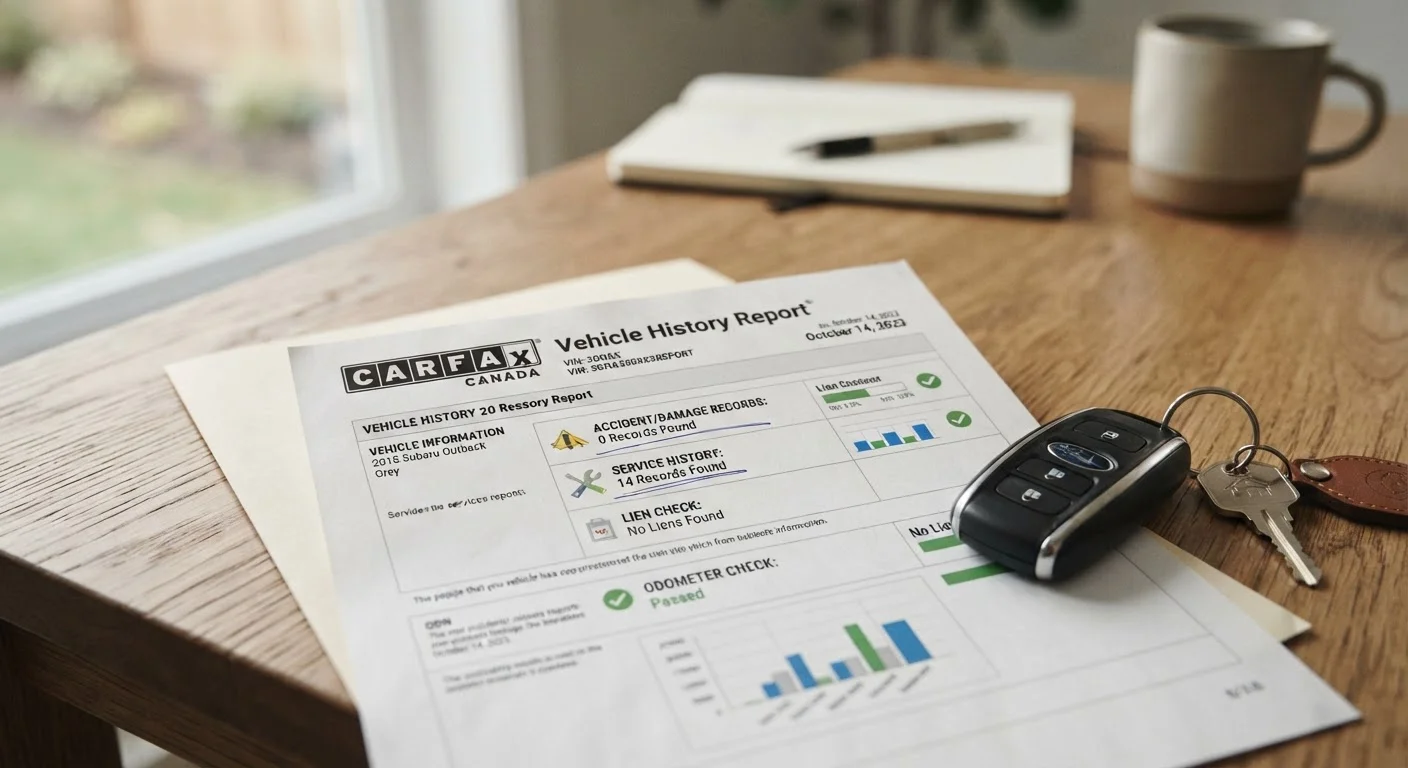
A vehicle history report aggregates data from multiple sources - state DMV records, insurance companies, salvage yards, participating repair facilities, and rental or fleet databases - into a single timeline tied to a vehicle's VIN. It is not a live inspection and does not reflect the vehicle's current mechanical condition. What it does provide is a paper trail of key events: title changes, ownership transfers, recorded mileage at various points in time, reported accidents, and in some cases service visits logged by participating shops.
Understanding those data sources helps you interpret what you're reading accurately. An entry on the report means something happened and was reported to a participating institution. The absence of an entry does not mean nothing happened - it means nothing was formally reported to a system that feeds the report. This distinction matters enormously when evaluating a vehicle.
What you will need
Once you have your report in hand, the steps below walk you through each section in the order that matters most for a family making a purchasing decision.
Locate and Verify the VIN
Before pulling any report, confirm the VIN matches across at least two locations on the vehicle: the dashboard plate visible through the windshield, the driver's door jamb sticker, and ideally the engine block. If the numbers differ, that is an immediate red flag suggesting possible fraud or major repair work. Enter the confirmed VIN into your chosen reporting service to generate the report.
Review the Title History First
The title section is the most consequential part of the report. Look for these designations and understand what each means:
- Clean title: No major insurer or DMV designations - the standard baseline.
- Salvage title: An insurer declared the vehicle a total loss at some point.
- Rebuilt/Reconstructed title: Previously salvaged, then repaired and re-inspected by the state.
- Flood or hail damage title: The vehicle sustained water or weather-related damage deemed significant by an insurer.
- Lemon law buyback: A manufacturer repurchased the vehicle due to chronic defects under state lemon law.
Each of these designations affects insurability and long-term reliability. For more on how title history connects to financial value, see how depreciation is affected by title status.
Examine the Odometer Readings
Reports typically list odometer readings recorded at each ownership transfer, DMV registration, or participating service visit. Read these chronologically and look for a consistent upward progression proportional to the vehicle's age. Suspect entries include: a reading that is lower than a prior entry, an implausibly low reading for a vehicle's age, or large unexplained gaps between readings.
[tip_callout]Interpret the Accident and Damage Records
Accident entries are sourced from insurance claims and, in some cases, police reports. Note the following when reviewing:
- Severity: Minor fender-benders are very different from structural or airbag-deployment events.
- Location of damage: Front-end or structural damage can affect frame integrity and long-term safety.
- Number of incidents: A single minor accident is common; repeated incidents across short ownership spans warrant scrutiny.
Remember that privately repaired accidents will not appear here. This is why a physical inspection by a qualified mechanic remains essential - no report can substitute for hands-on evaluation.
[important_callout]Assess the Service and Ownership History
Service records in vehicle history reports come from participating dealerships and repair chains - independent shops and private garage work typically don't feed into these systems. Look for:
- Regular oil change and maintenance entries consistent with the mileage (see what normal oil change intervals look like for reference).
- The number of previous owners - more ownership changes in a short period may indicate recurring problems.
- Whether the vehicle was used as a rental, fleet, or commercial vehicle, which is often disclosed and implies heavier-than-average use.
For a broader view of what a well-maintained vehicle's service record should look like, understanding standard maintenance schedules provides useful context.
Use the Report to Guide Your Next Questions
Treat the report as a conversation starter, not a final verdict. Flag any entries that seem inconsistent or unexplained and ask the seller for documentation. If the report raises significant concerns, or even if it looks clean, commission an independent pre-purchase inspection before finalizing any agreement. For what to do once you move to the purchase phase, review a pre-purchase checklist before signing to make sure no step is skipped.
[warning_callout]After the Report: What to Do Next
A vehicle history report is one layer of due diligence, not the whole picture. Once you've worked through the report systematically, use what you found to shape your interaction with the seller and your decision about commissioning a physical inspection.
Vehicle Identification Number (VIN)
The unique 17-character code used to pull all historical records tied to a specific vehicle.
Vehicle History Report
A compiled report drawing on DMV records, insurance data, and service history to summarize a vehicle's past.
Independent Mechanic or Inspection Service
A qualified professional who can physically inspect the vehicle to identify issues that no report can detect.
If the report surfaces a salvage title, multiple accidents, or implausible odometer readings, those are grounds to walk away or to price your offer accordingly - with full awareness of the elevated risk. A clean report, on the other hand, should give you confidence to proceed to the inspection phase, not skip it.
Keeping maintenance records from the point of purchase forward is equally important for protecting your investment. Families who maintain consistent service logs are better positioned when it comes time to sell. For guidance on staying on top of ongoing upkeep, see the Car Maintenance hub for practical resources across every stage of ownership.
This article is for general informational purposes only. Vehicle history reports vary by provider and data source. Always conduct a professional mechanical inspection before purchasing any used vehicle, and verify title and registration details with your state's motor vehicle authority.